Manufacturer Premium Blood Collection Tubes for Clinical Use
VAYSMA-PRT02
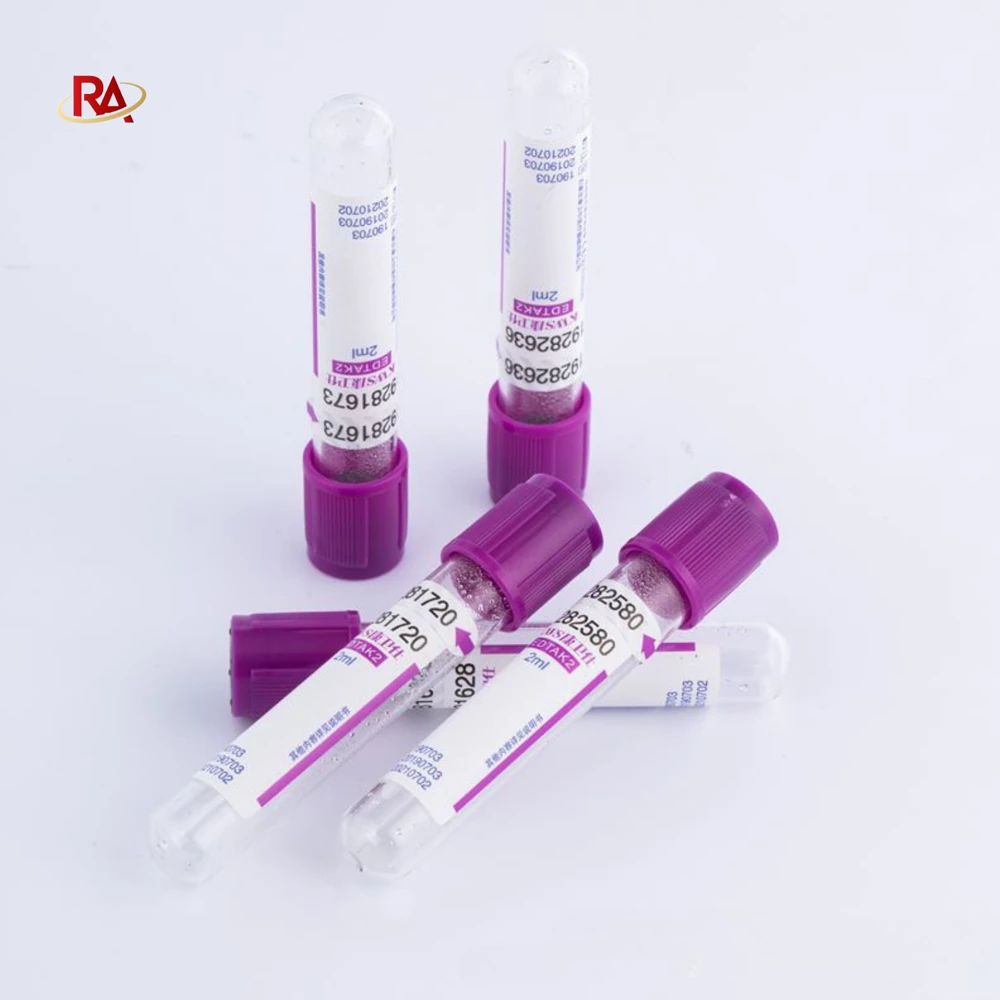
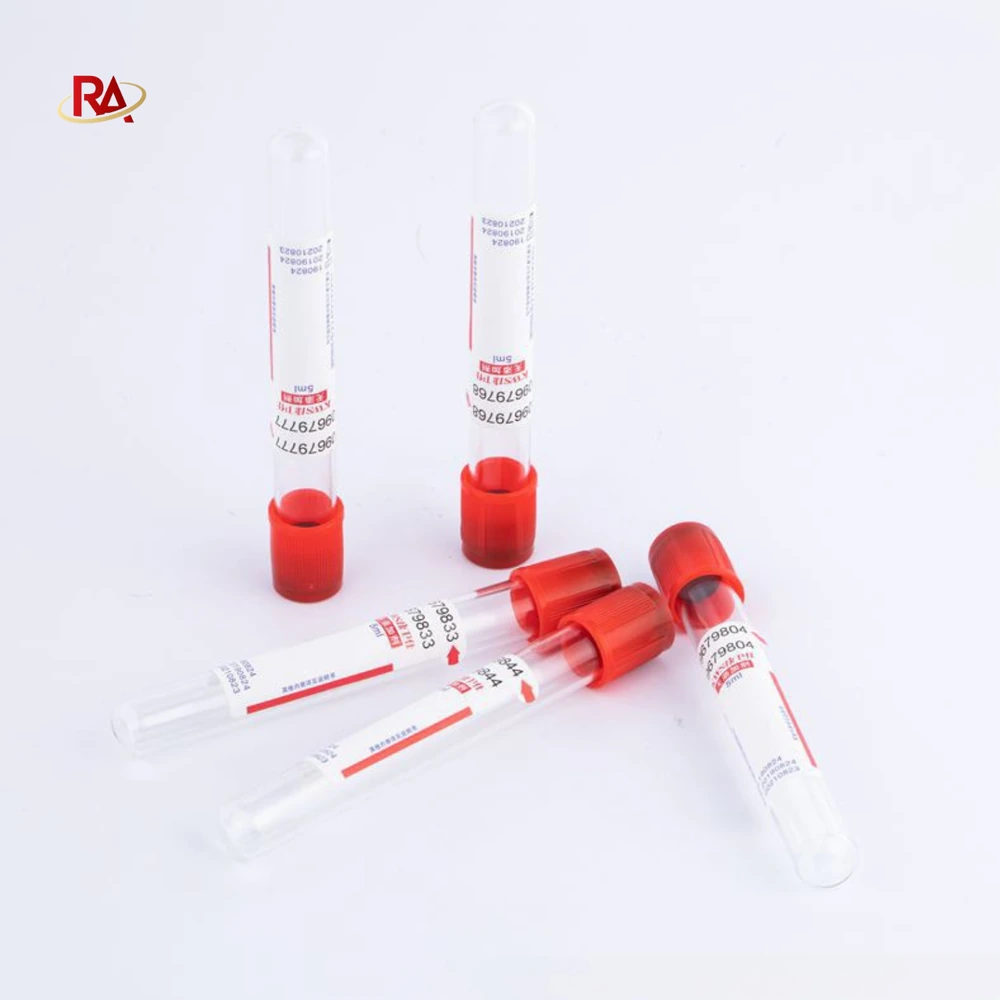
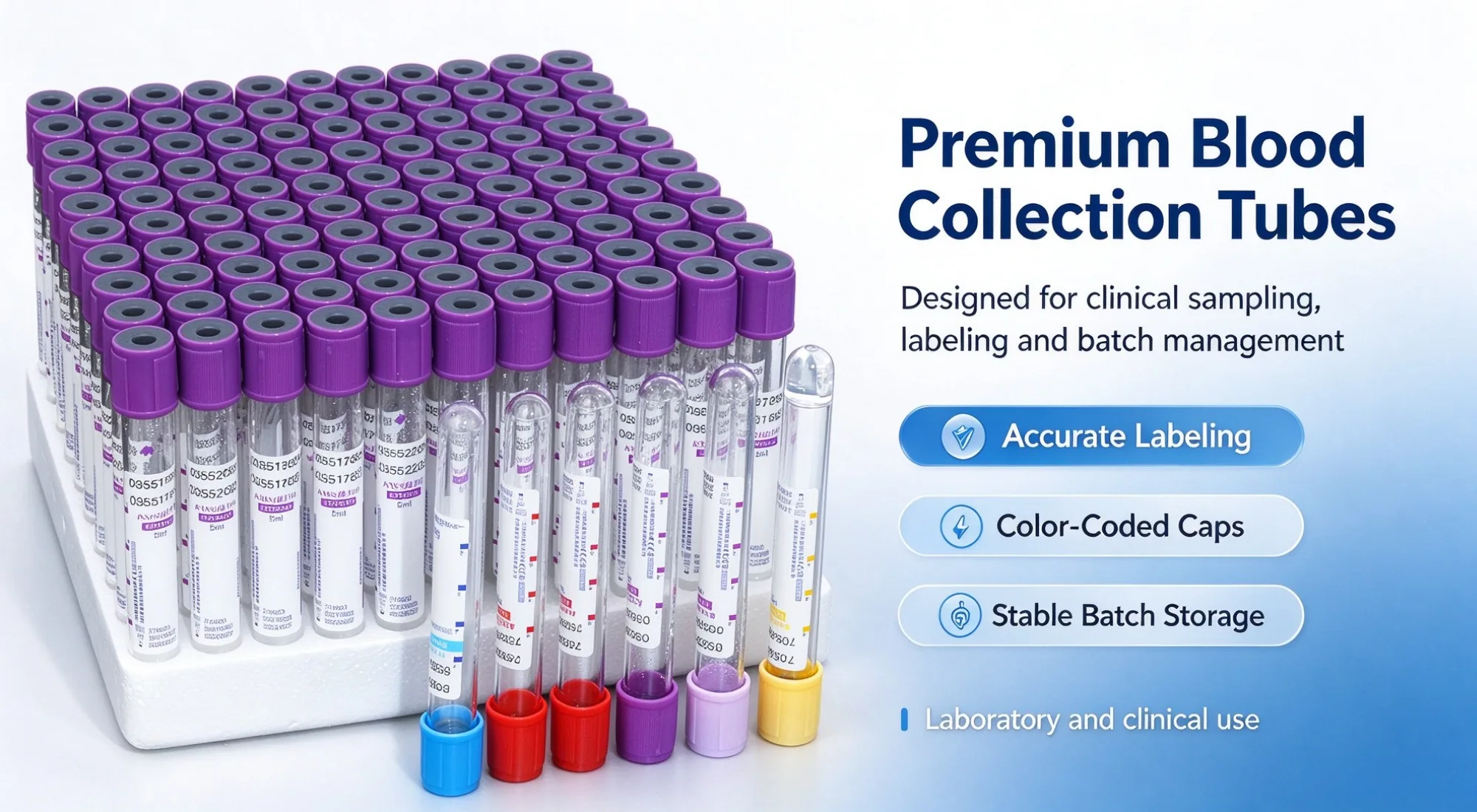
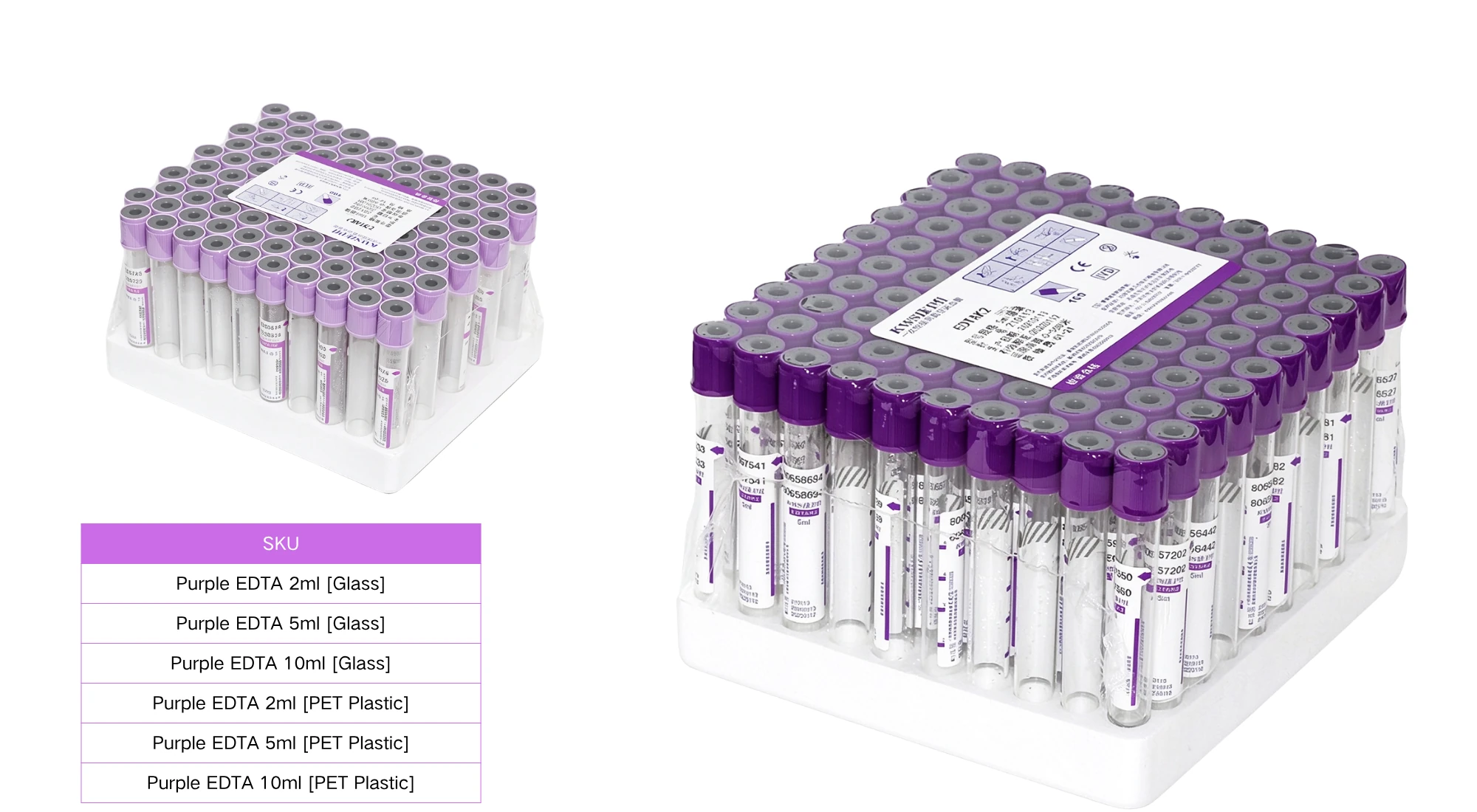
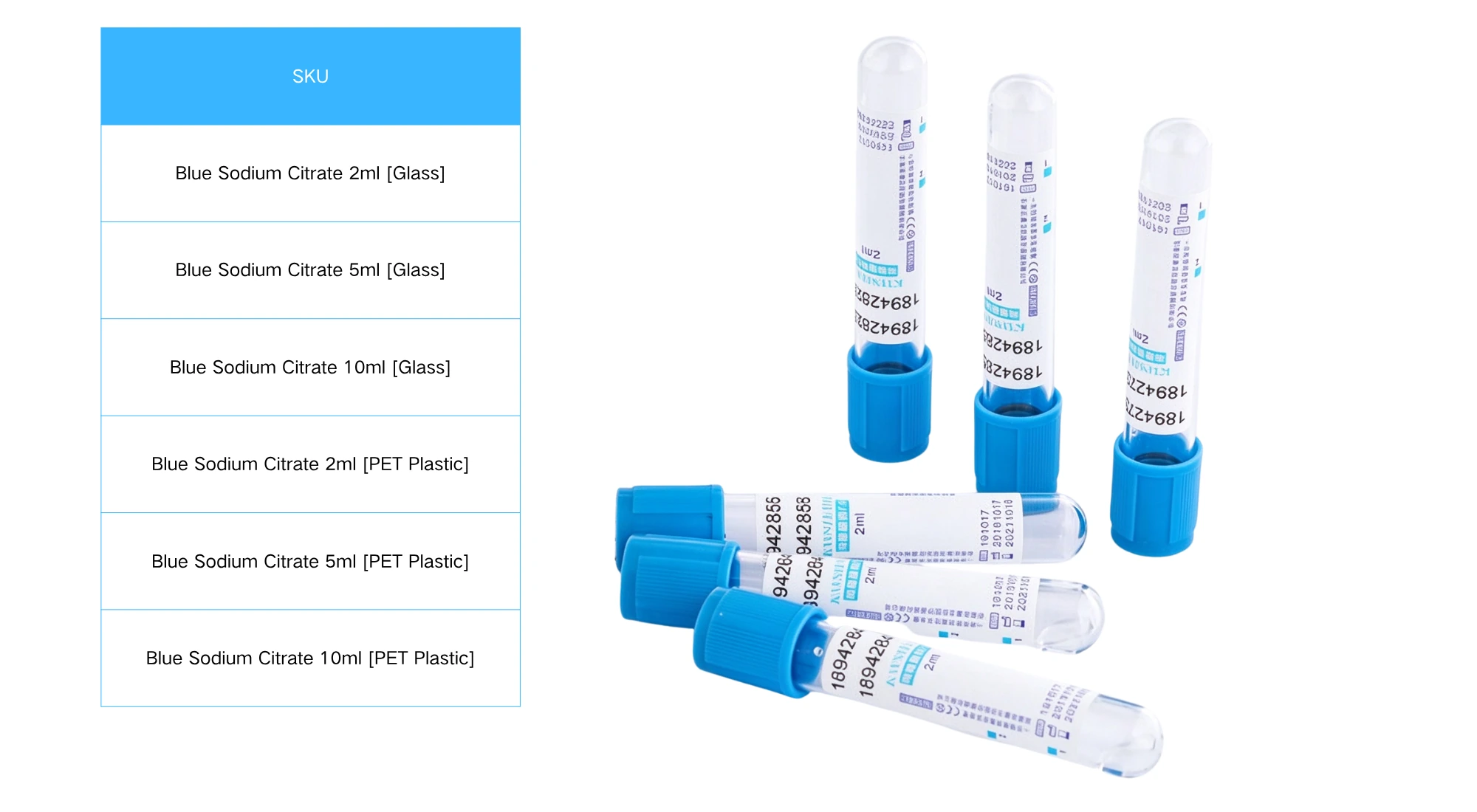
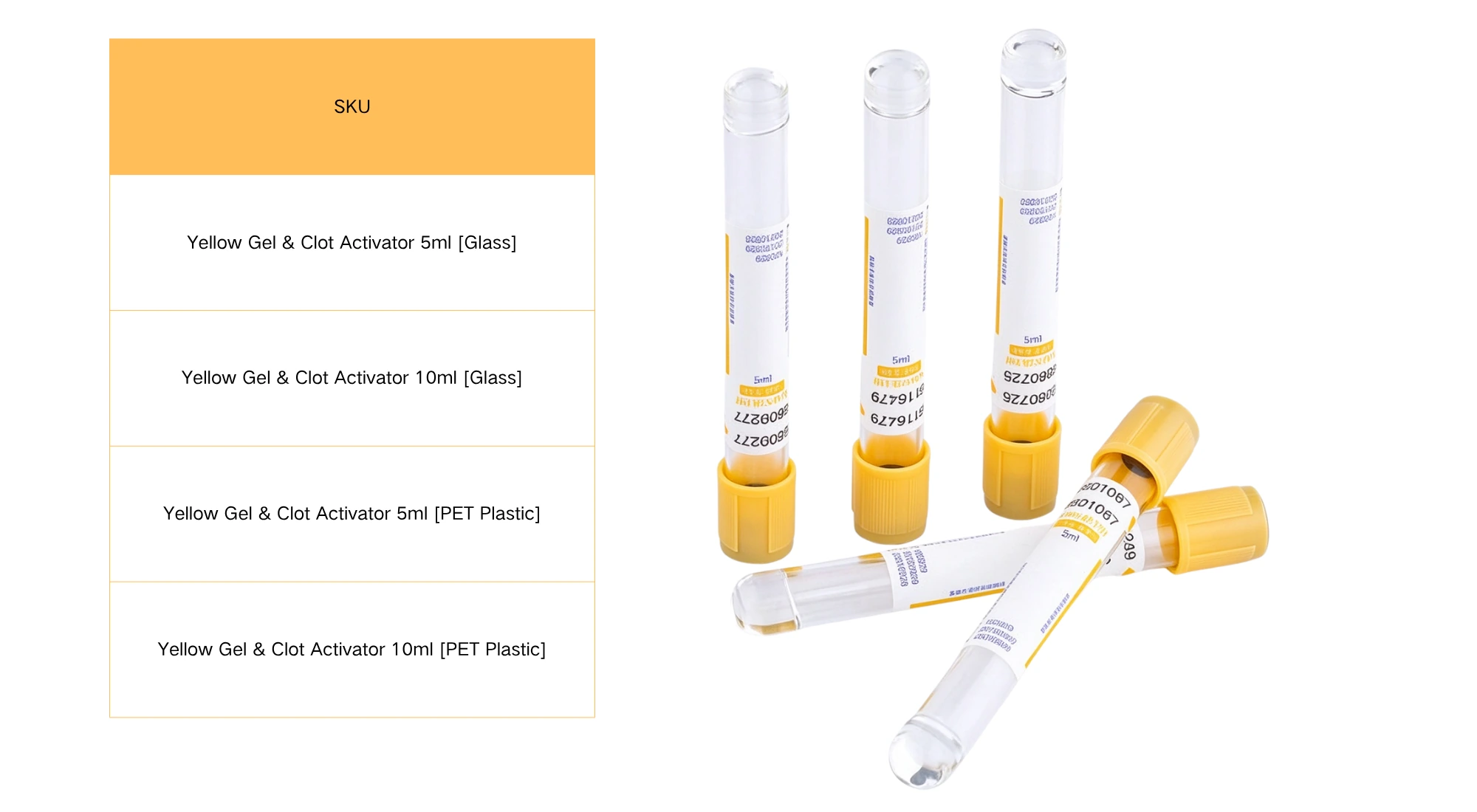
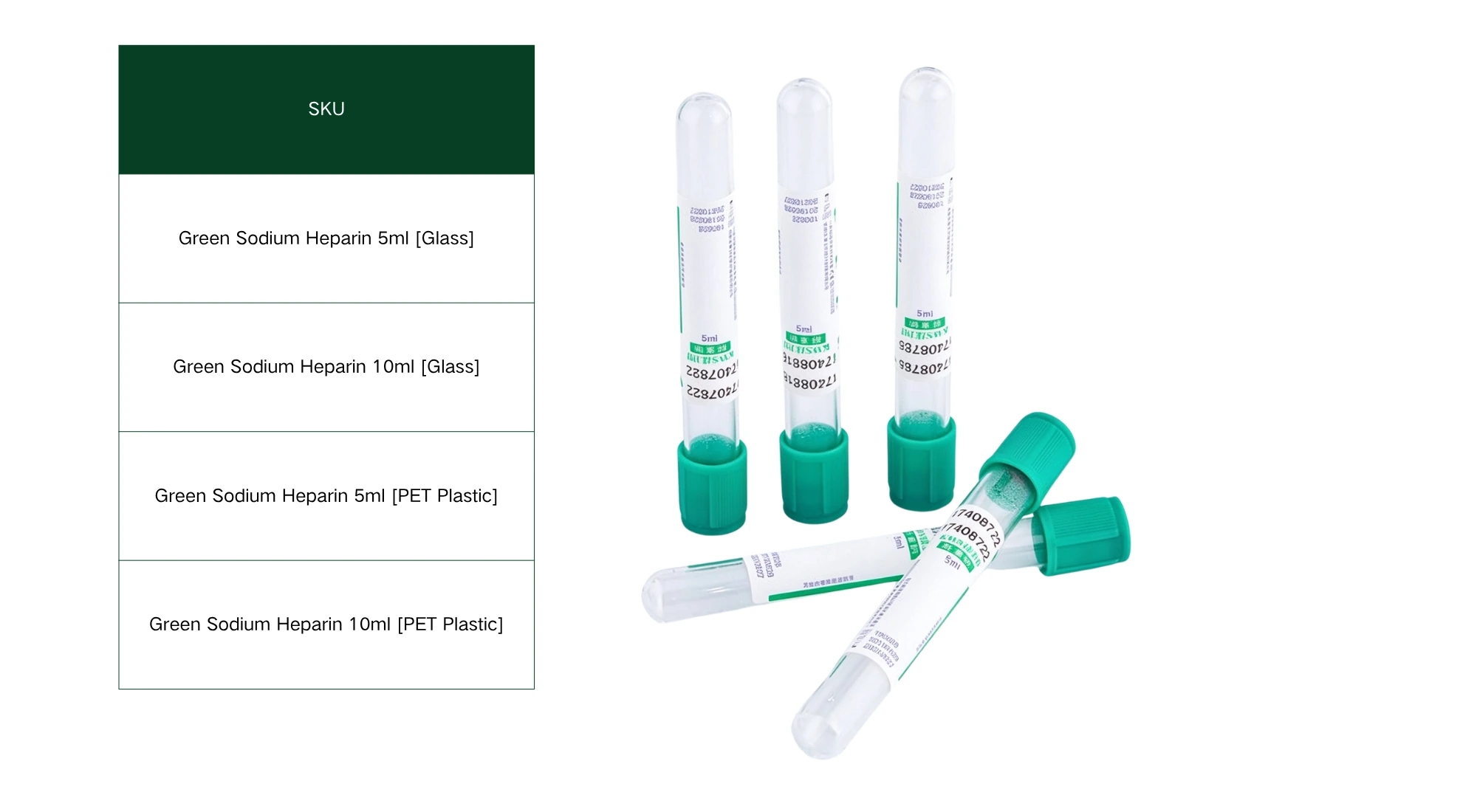
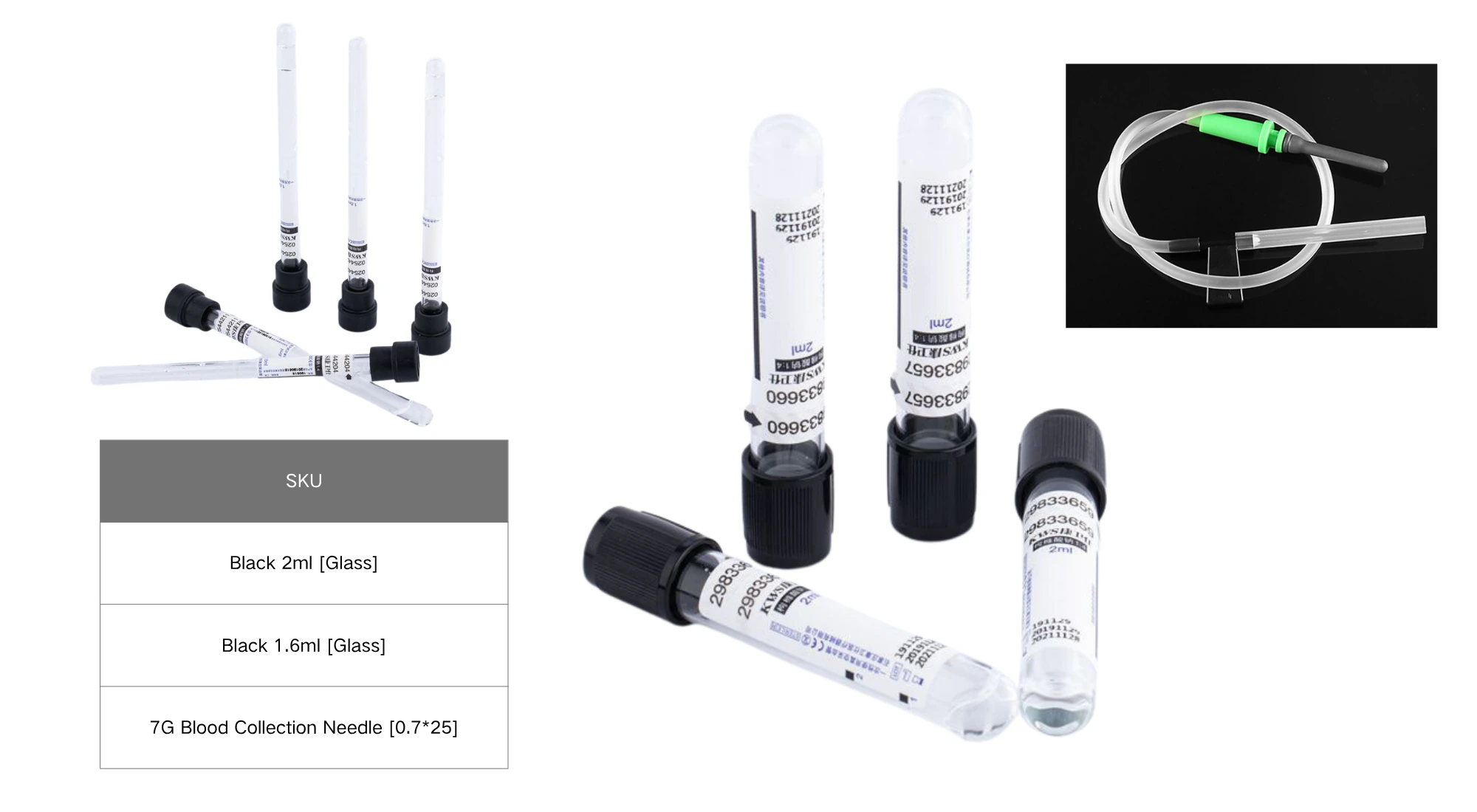
A premium blood collection tube line with defined SKUs for sodium citrate, gel and clot activator, sodium heparin and ESR work, each available in glass or PET plastic and in the volumes a laboratory uses most. Colour-coded caps and accurate labelling keep batches identifiable through sampling and storage, and 7G blood collection needles (0.7 × 25 mm) can be supplied with the tubes. The range is built for clinical sampling and batch management.
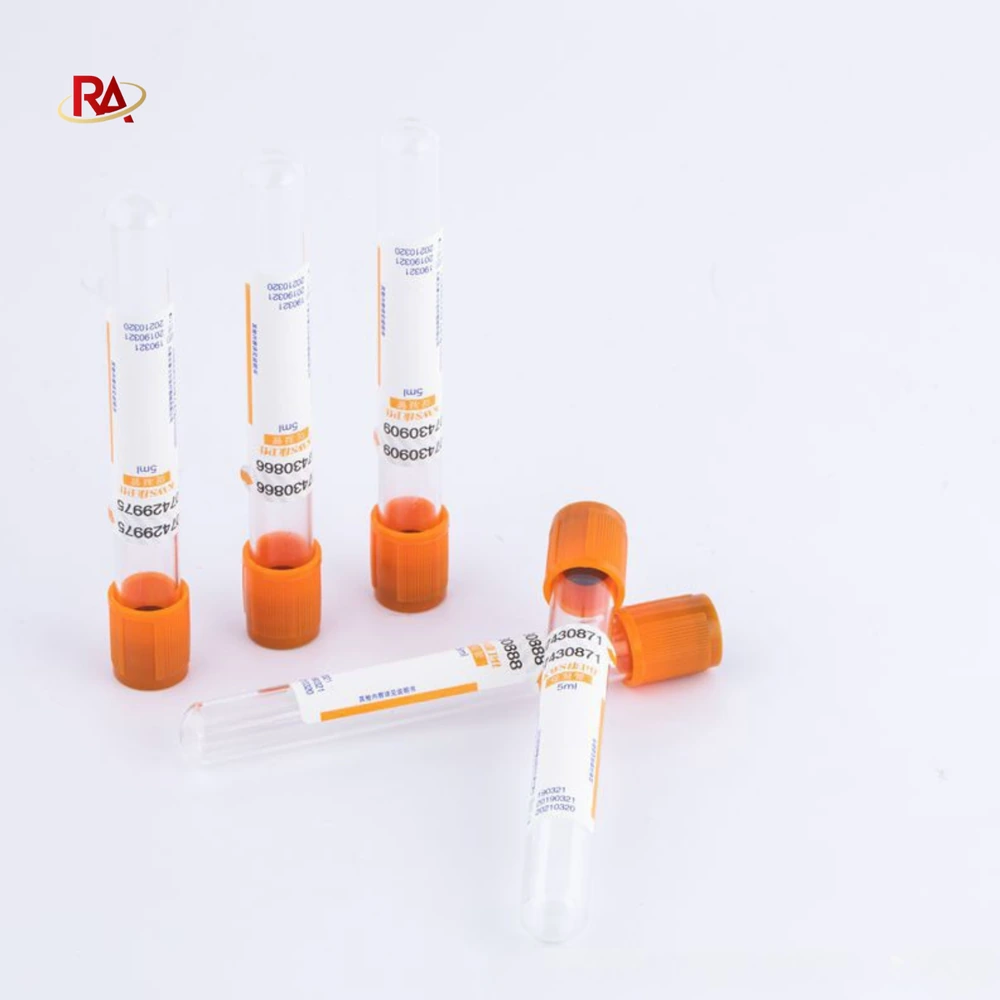
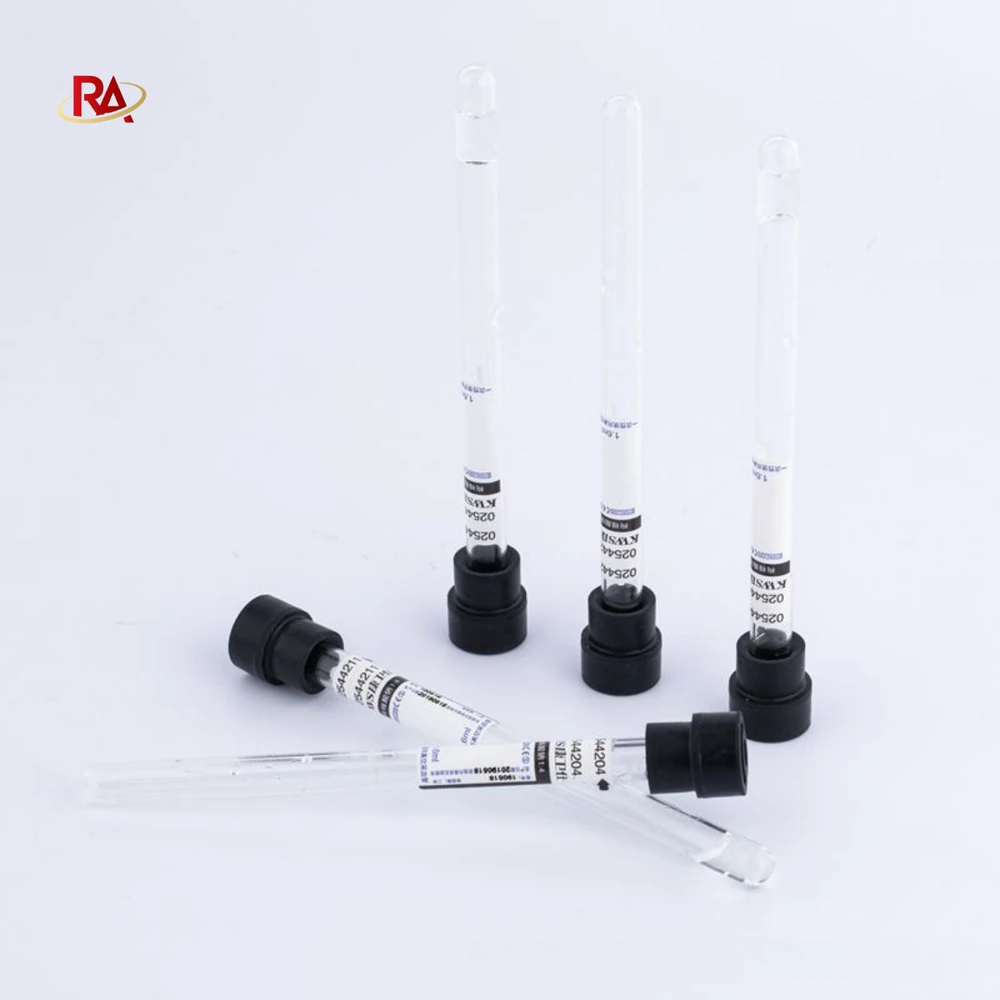
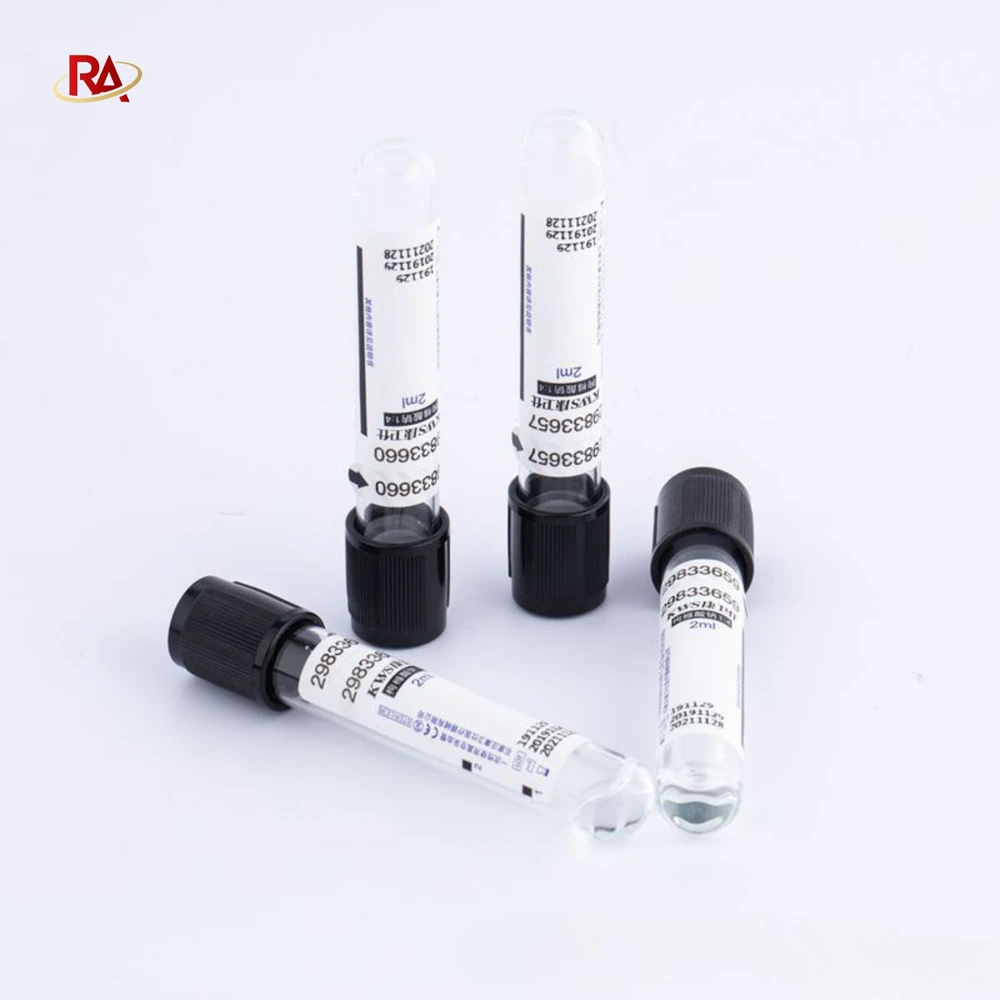
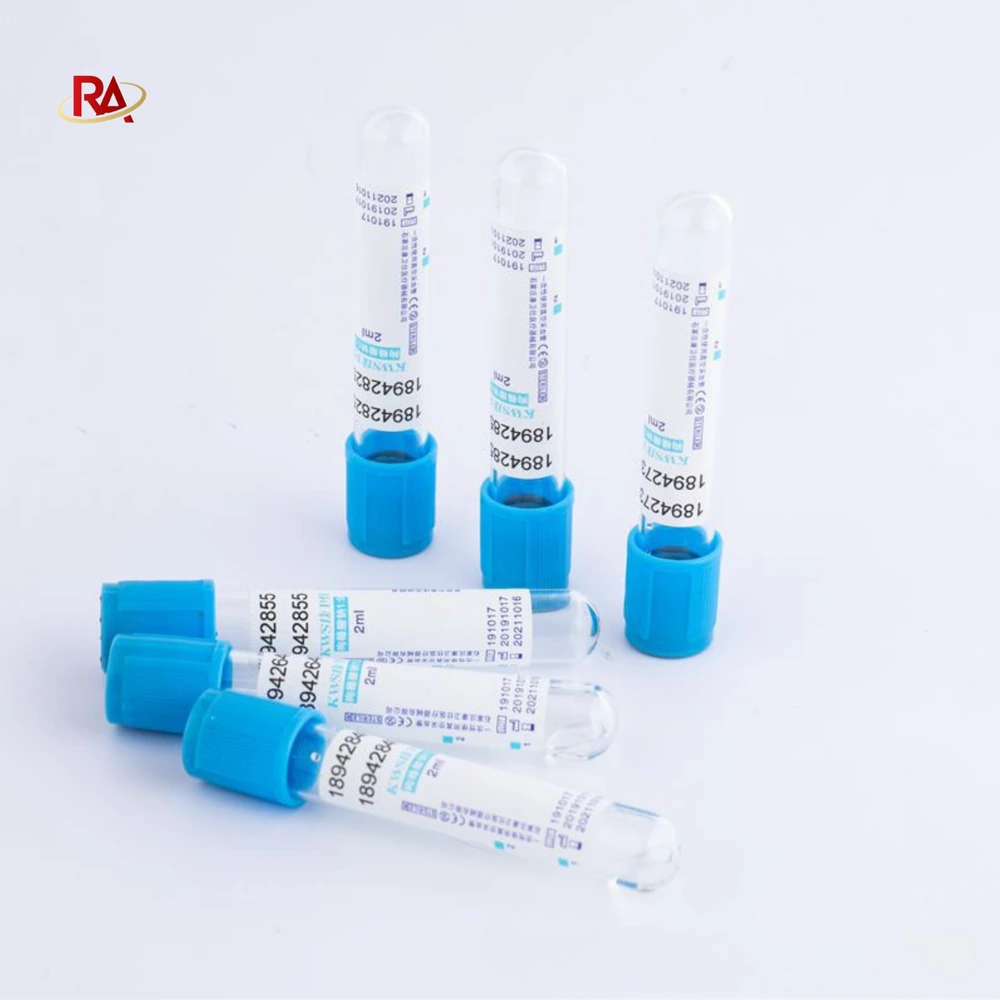
Blue sodium citrate 2 / 5 / 10 ml; yellow gel and clot activator 5 / 10 ml; green sodium heparin 5 / 10 ml; black ESR 1.6 / 2 ml
Material
Glass or PET plastic
Needle Option
7G blood collection needle, 0.7 × 25 mm
Feature
Accurate labelling, colour-coded caps, stable batch storage
Application
Clinical sampling, labelling and batch management
Product Overview
The Premium Blood Collection Tubes is designed for rehabilitation training. It is supplied for clinics, rehabilitation centres, nursing homes and home programmes, with OEM and ODM options for distributors and private-label buyers.
Application Scenarios
Quality and Compliance
Produced under a documented quality management system; test reports and compliance documents are available on request. Custom branding, packaging and labelling can be arranged for volume orders.
Storage and Packaging
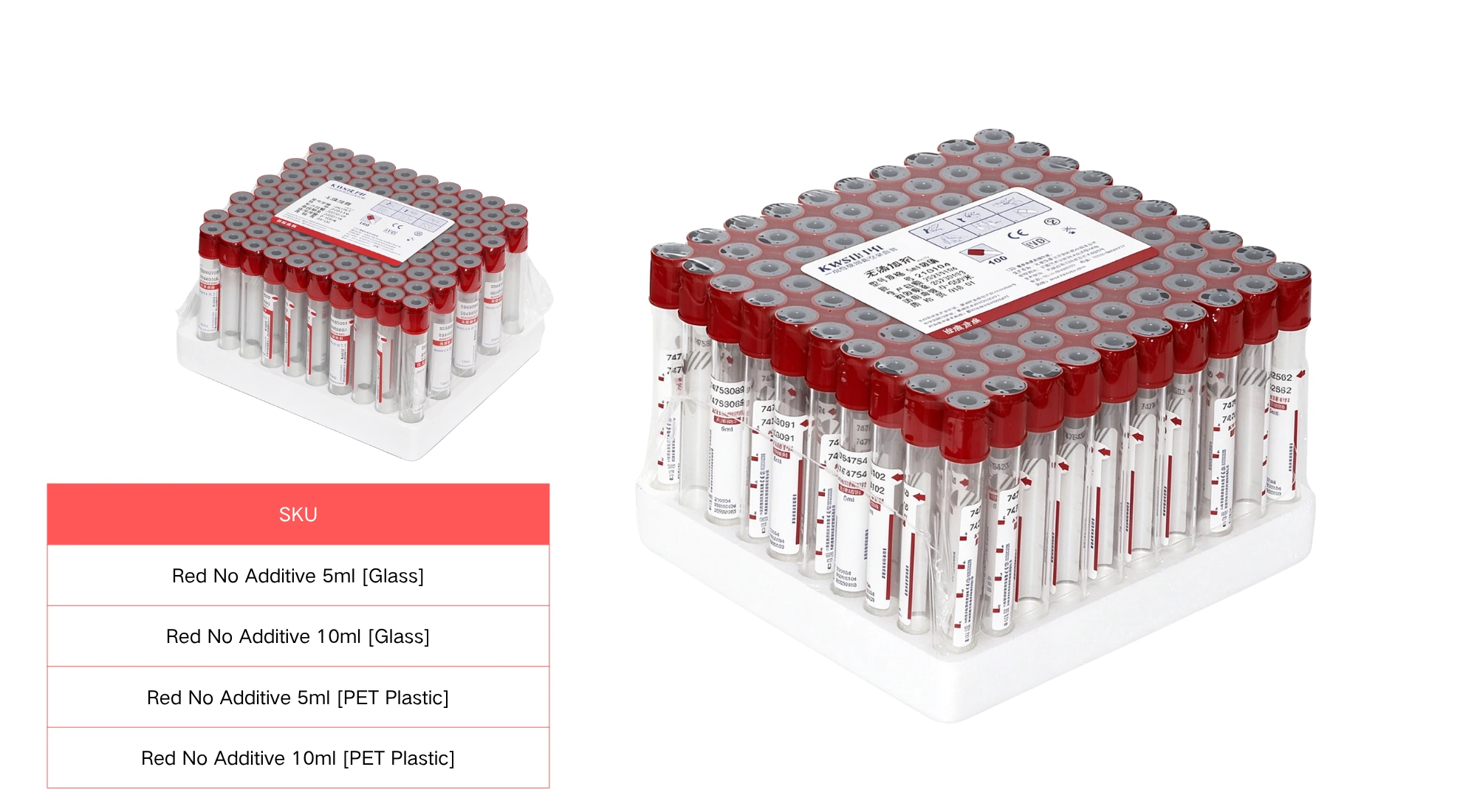
Each unit is packed individually in an export carton with protective wrapping. Store in a dry, ventilated area away from direct sunlight. Carton and pallet quantities can be confirmed with our sales team for volume orders.
FAQs:
1
What is the model number of these tubes?
This model is VAYSMA-PRT02, a premium blood collection tube line from VAYSMA.
2
Which SKUs are available?
Blue sodium citrate 2/5/10 ml, yellow gel and clot activator 5/10 ml, green sodium heparin 5/10 ml and black ESR 1.6/2 ml.
3
What materials are the tubes made of?
Each SKU is available in glass or PET plastic.
4
Are needles supplied with the tubes?
A 7G blood collection needle (0.7 × 25 mm) is available as an accessory.
5
How are batches identified?
Colour-coded caps plus accurate labelling support batch identification and storage.
6
What are they used for?
Clinical sampling, labelling and batch management in laboratories.