Kit de prueba rápida de antígeno H. pylori al por mayor para pruebas rápidas
VAYSMA-HpSA01
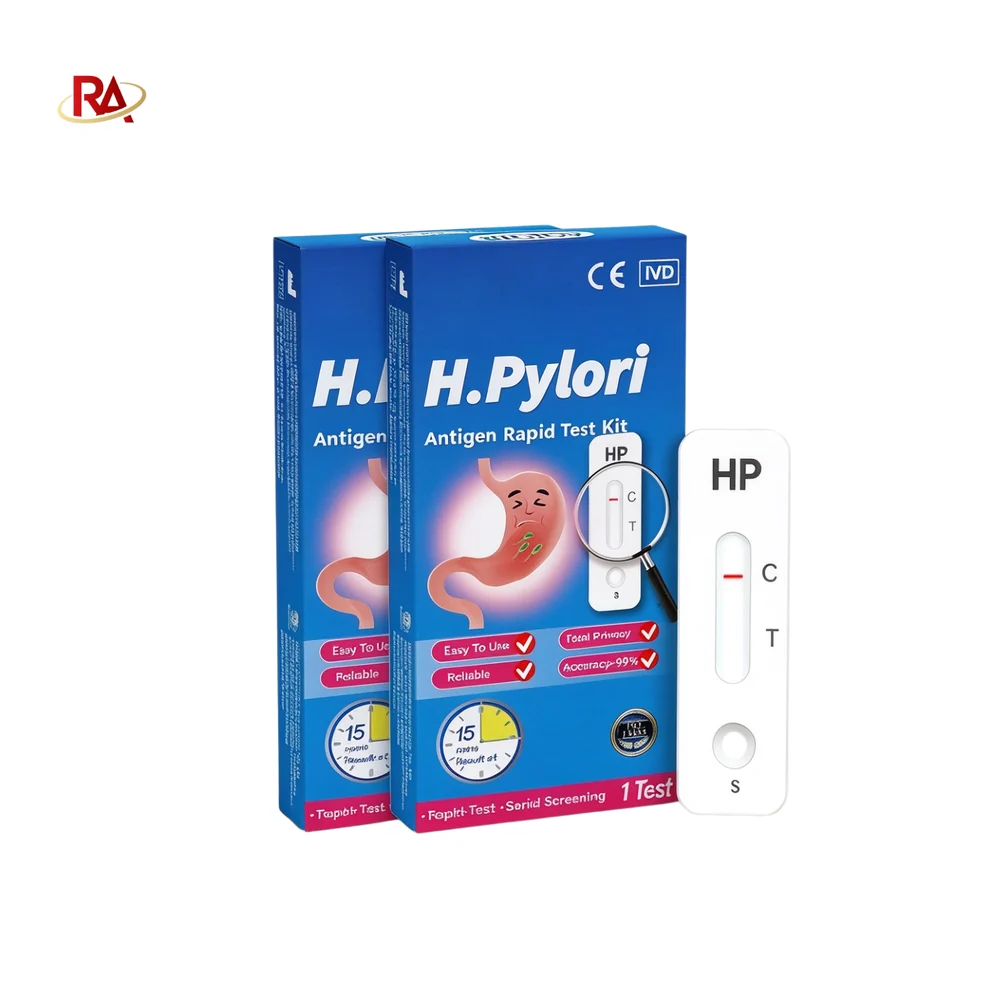
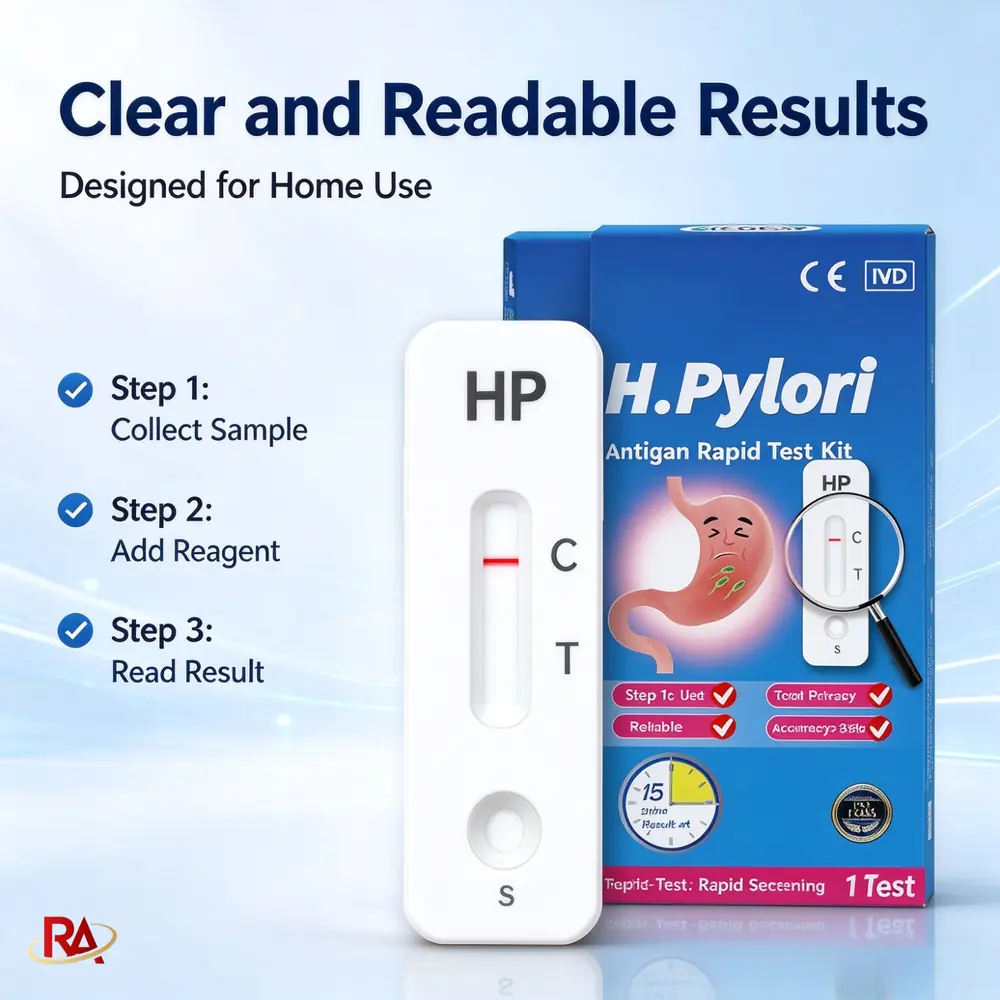
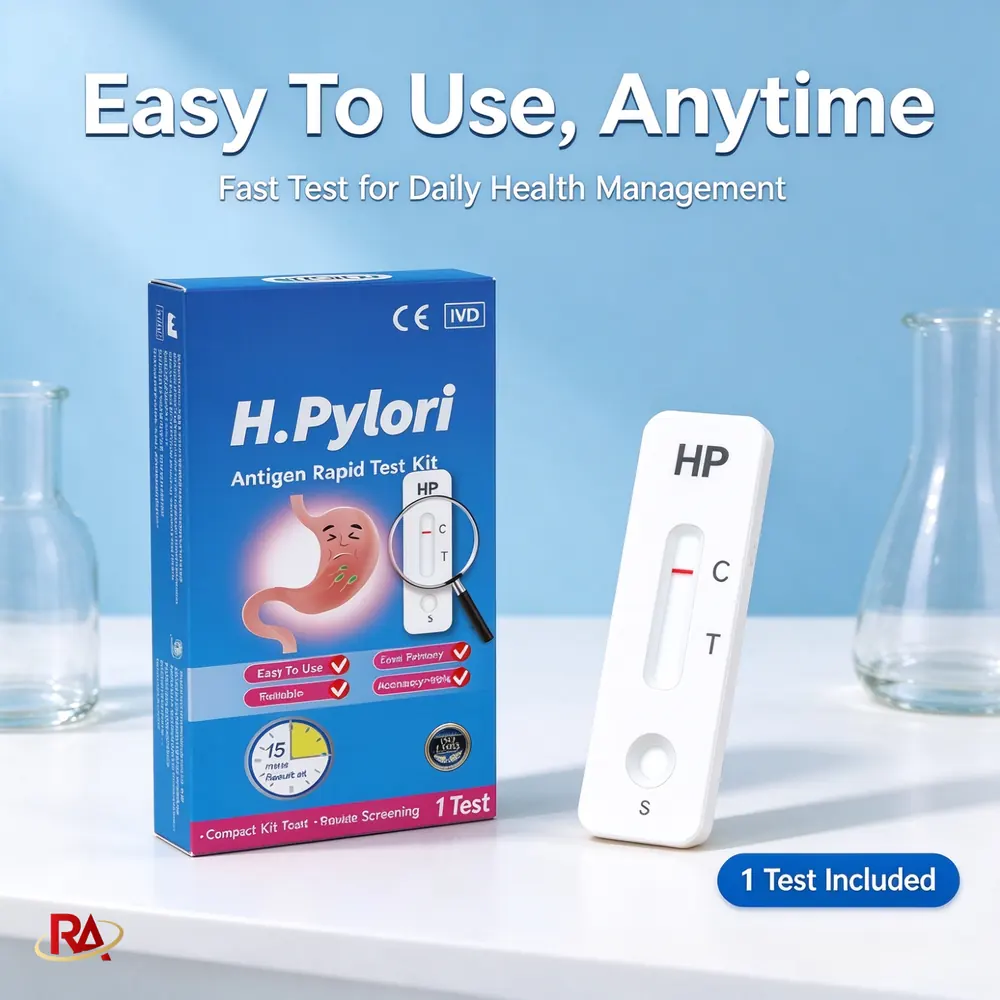
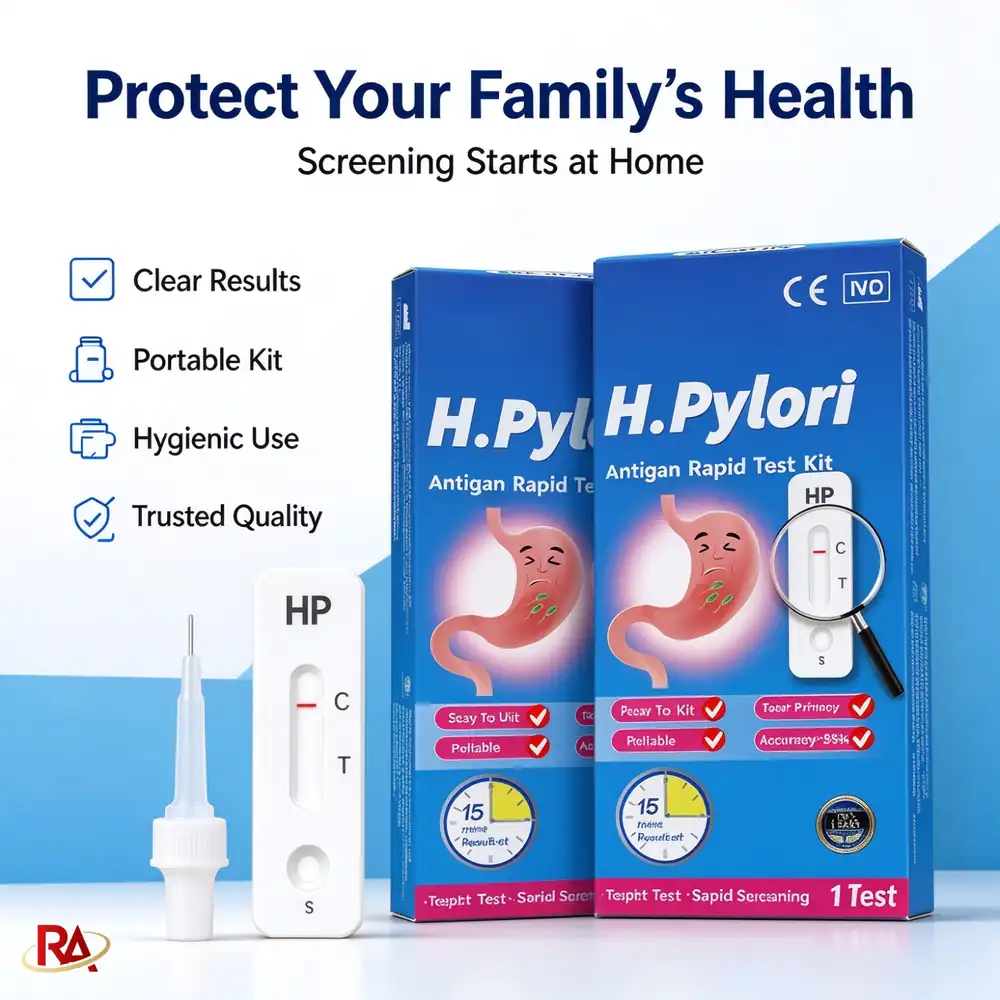
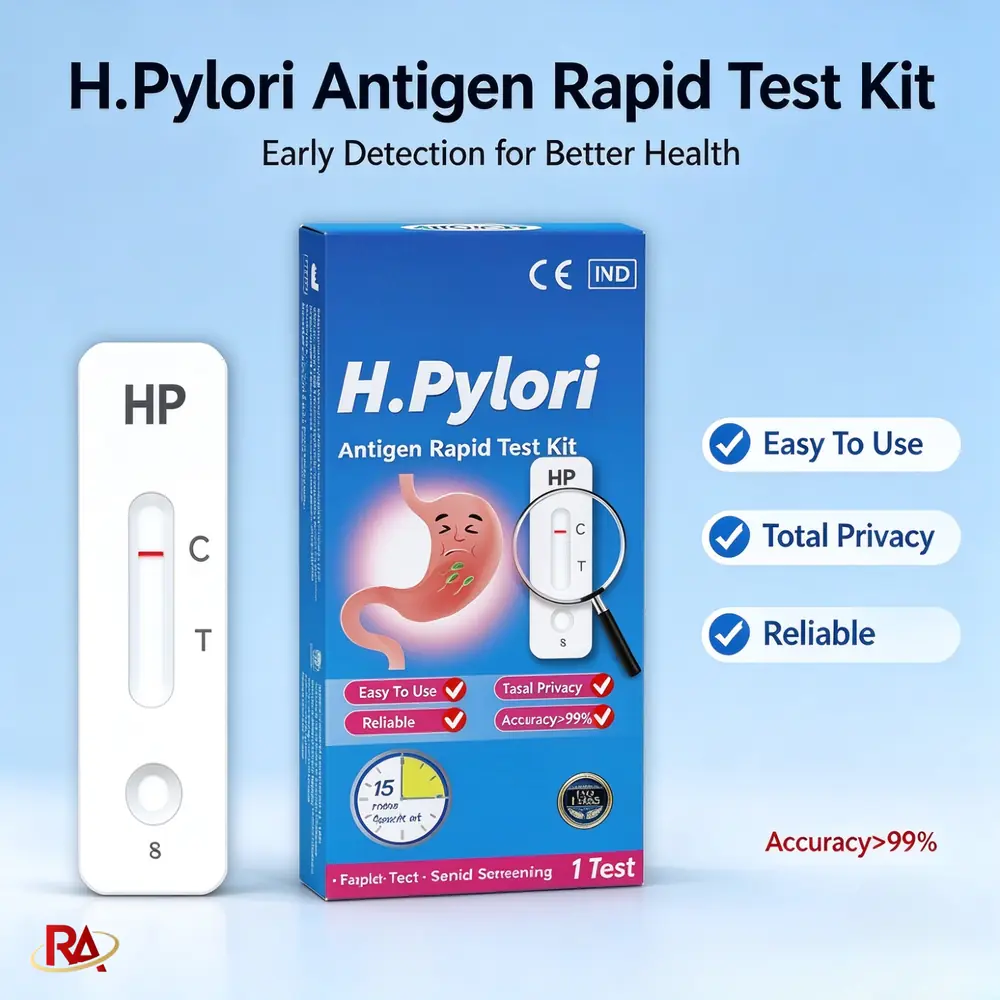
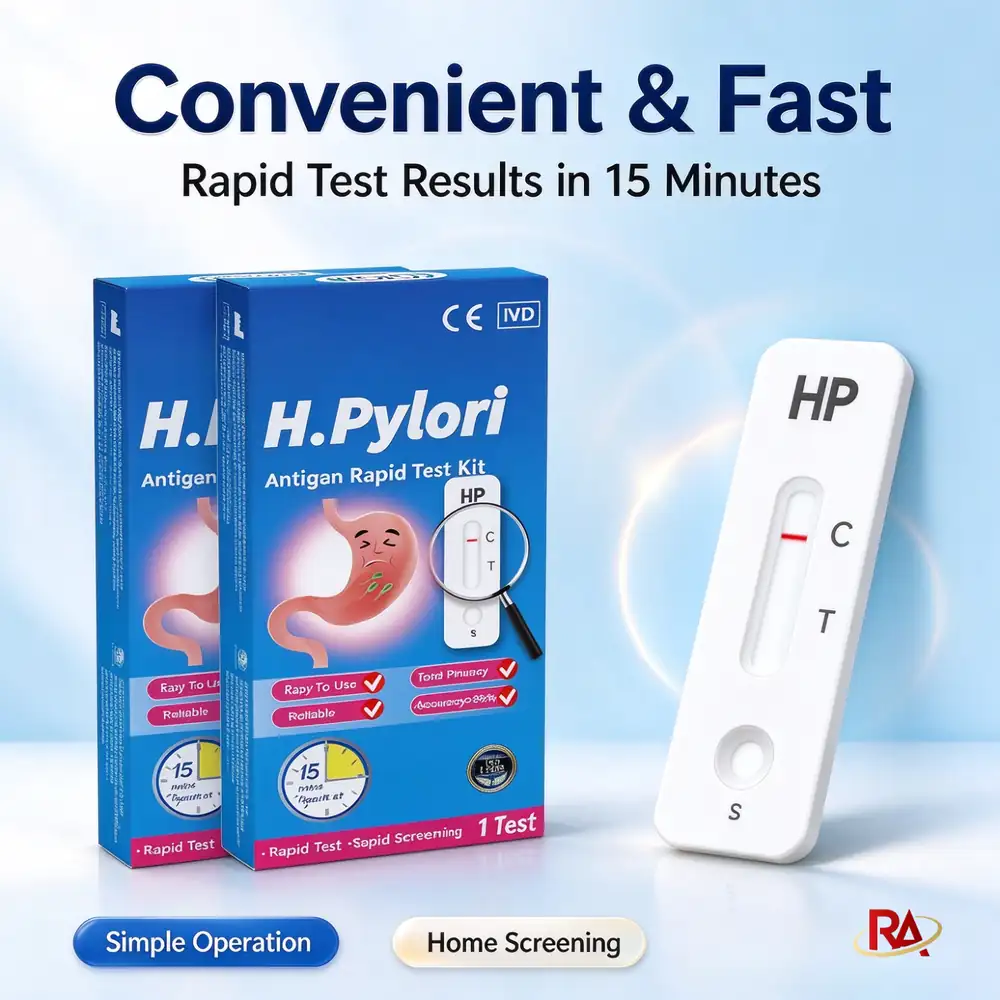
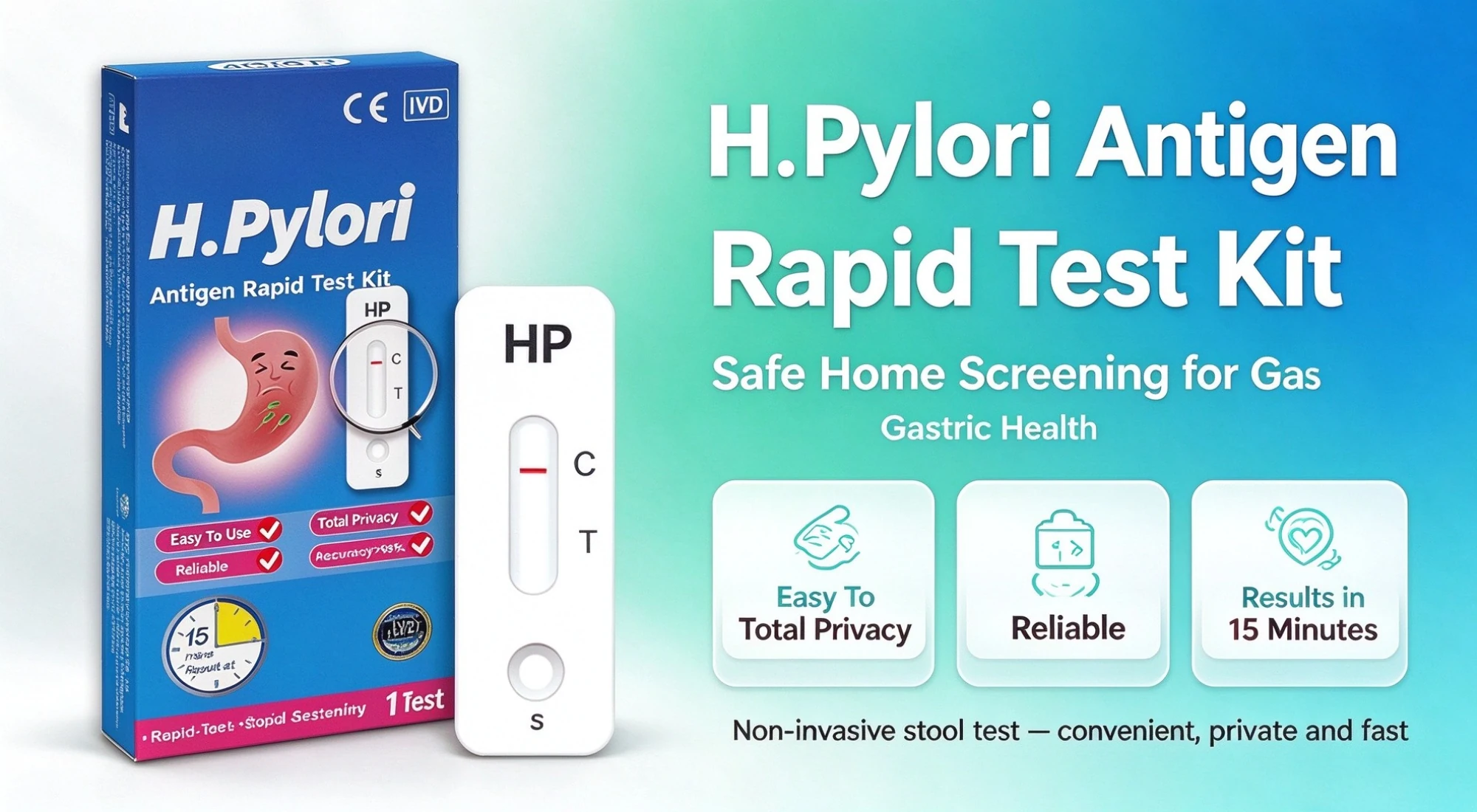
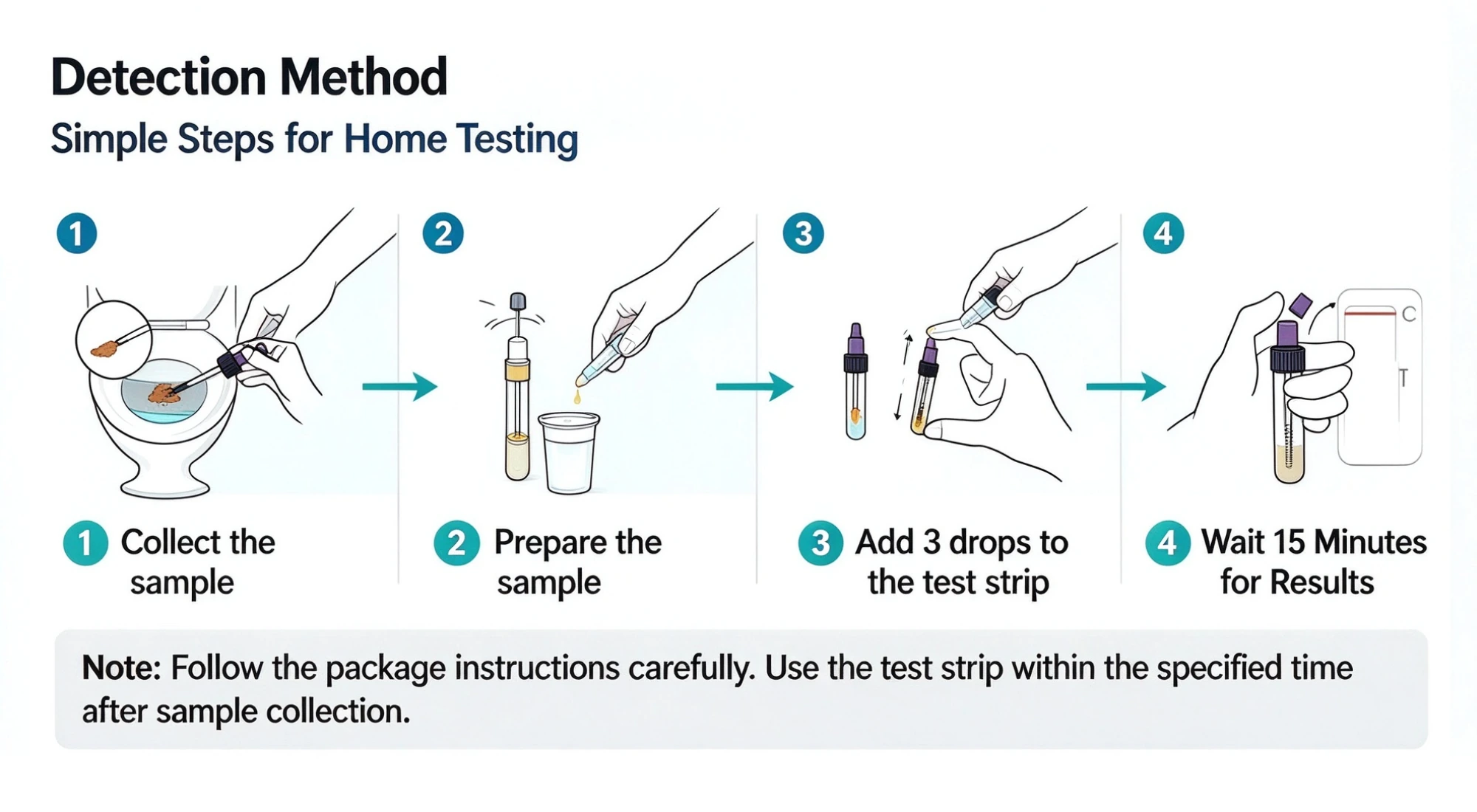
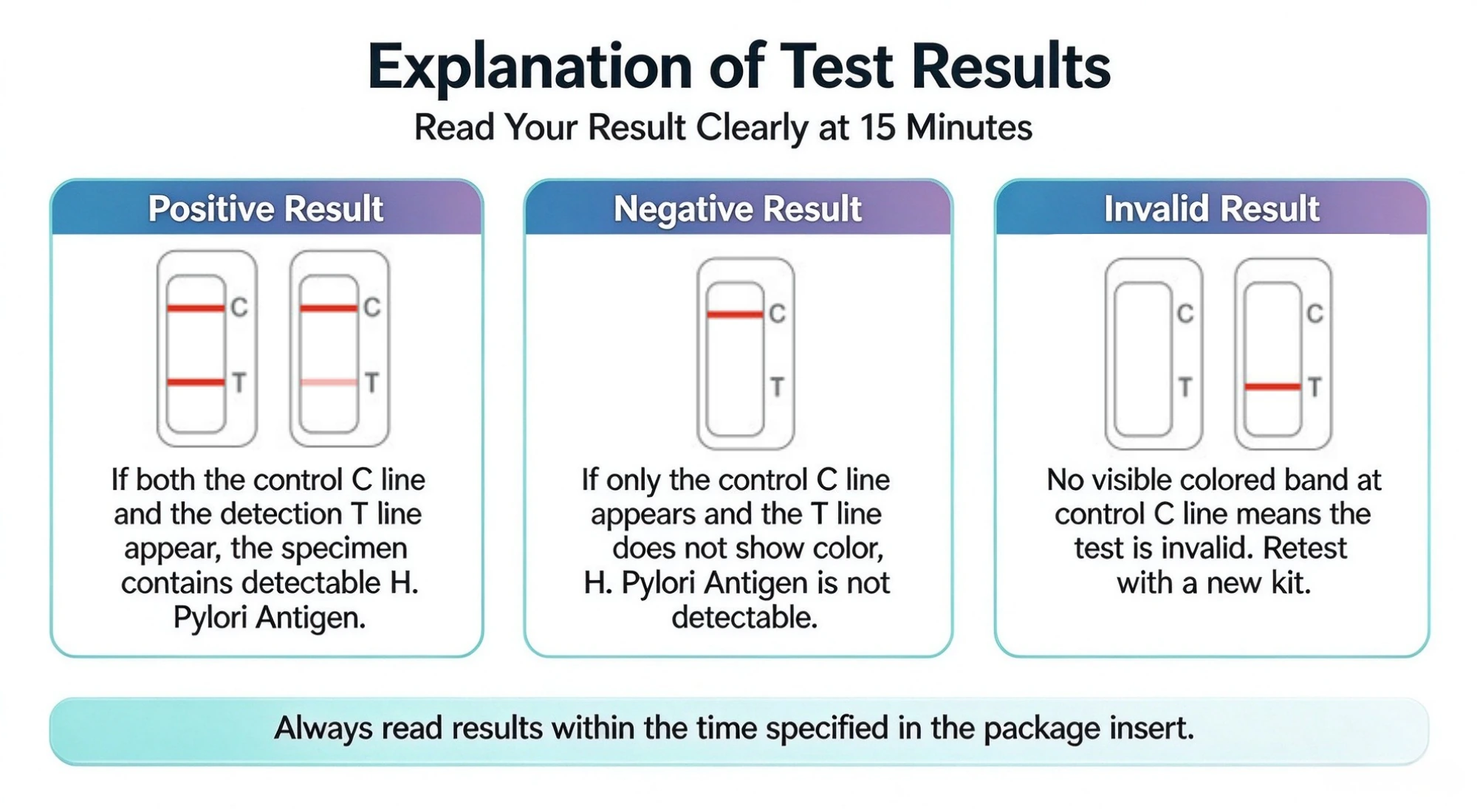
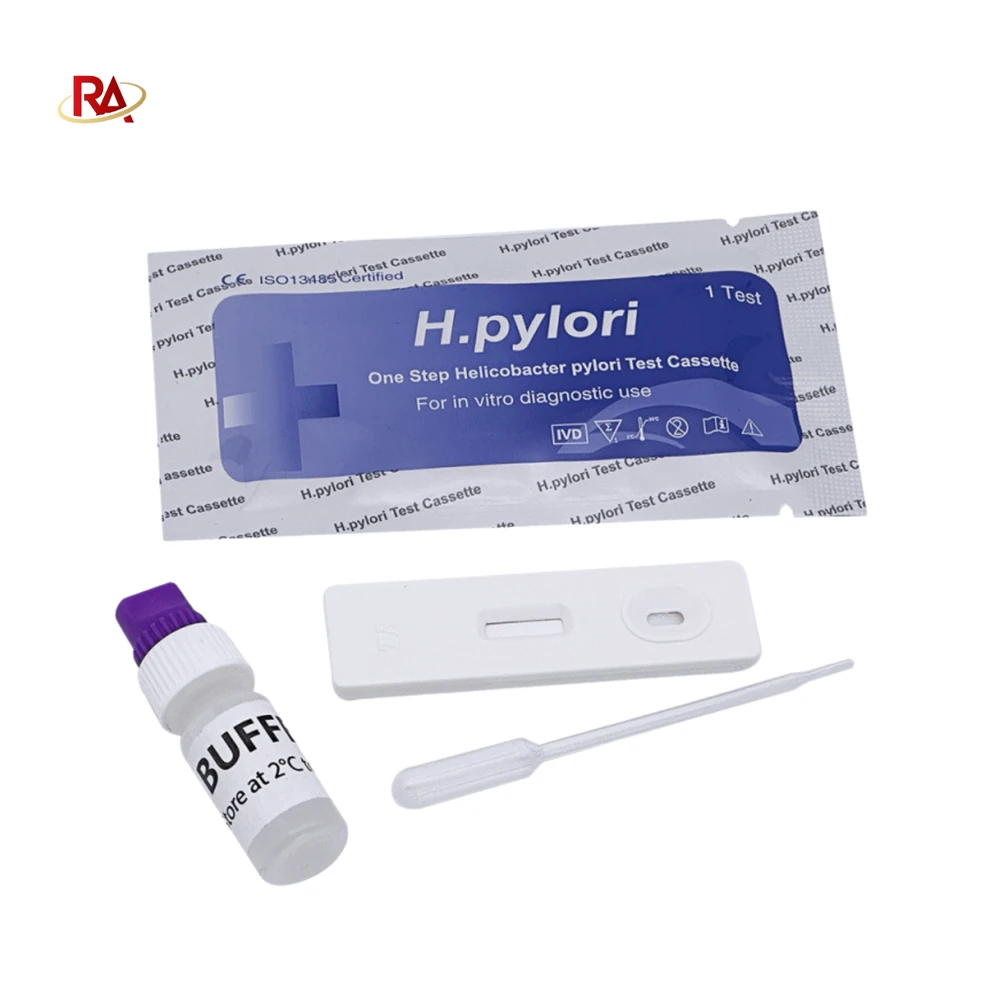
A rapid antigen test kit for H. pylori that uses a stool sample and gives a readable result in about 15 minutes, with no clinic visit needed. The procedure is four simple steps: collect the sample, prepare it, add three drops to the test strip and wait. A control line confirms the test ran correctly, a second line indicates detectable H. pylori antigen, and a missing control line means the test should be repeated with a new kit.
The H. pylori Antigen Rapid Test Kit is designed for rehabilitation training. It is supplied for clinics, rehabilitation centres, nursing homes and home programmes, with OEM and ODM options for distributors and private-label buyers.
Escenarios de aplicación
Calidad y cumplimiento
Fabricado bajo un sistema de gestión de calidad documentado; los informes de pruebas y los documentos de conformidad están disponibles bajo petición. Se pueden personalizar la marca, el embalaje y el etiquetado para pedidos de gran volumen.
Almacenamiento y embalaje
Cada unidad se empaqueta individualmente en una caja de cartón para exportación con envoltura protectora. Almacenar en un lugar seco y ventilado, alejado de la luz solar directa. Para pedidos al por mayor, puede consultar con nuestro equipo de ventas la cantidad de cajas y palés necesarios.
Preguntas frecuentes:
1
What is the model number of this test kit?
This model is VAYSMA-HpSA01, an H. pylori antigen rapid test kit from VAYSMA.
2
What sample does it use?
A stool sample, so the test is non-invasive and can be done at home.
3
How long does it take to read?
About 15 minutes after adding three drops of prepared sample to the test strip.
4
How do I read the result?
Two lines (C and T) indicate detectable antigen, a single C line indicates none, and no C line means the test is invalid.
5
What if the control line does not appear?
The test is invalid; repeat it with a new kit and follow the package insert.
6
Who should use it?
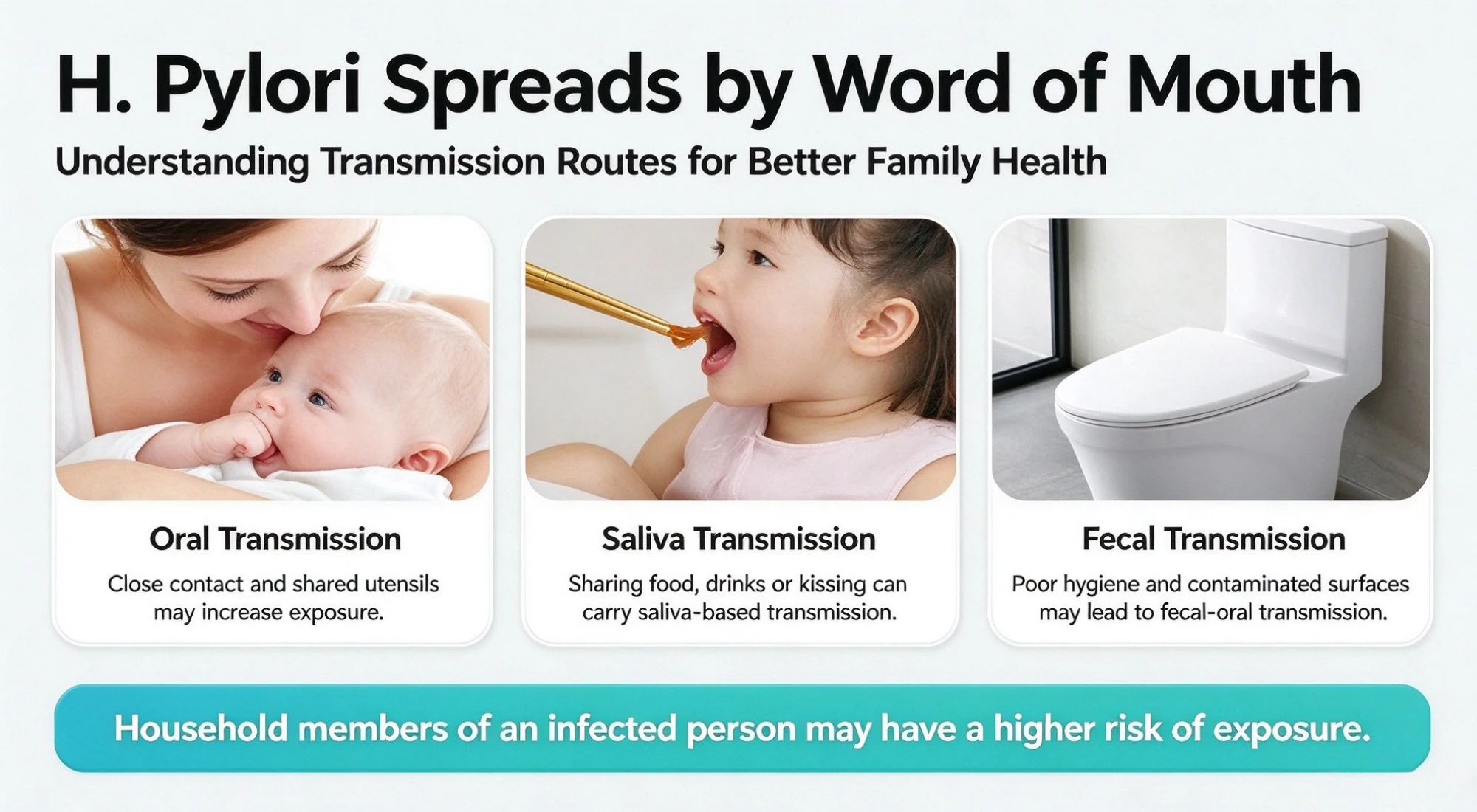
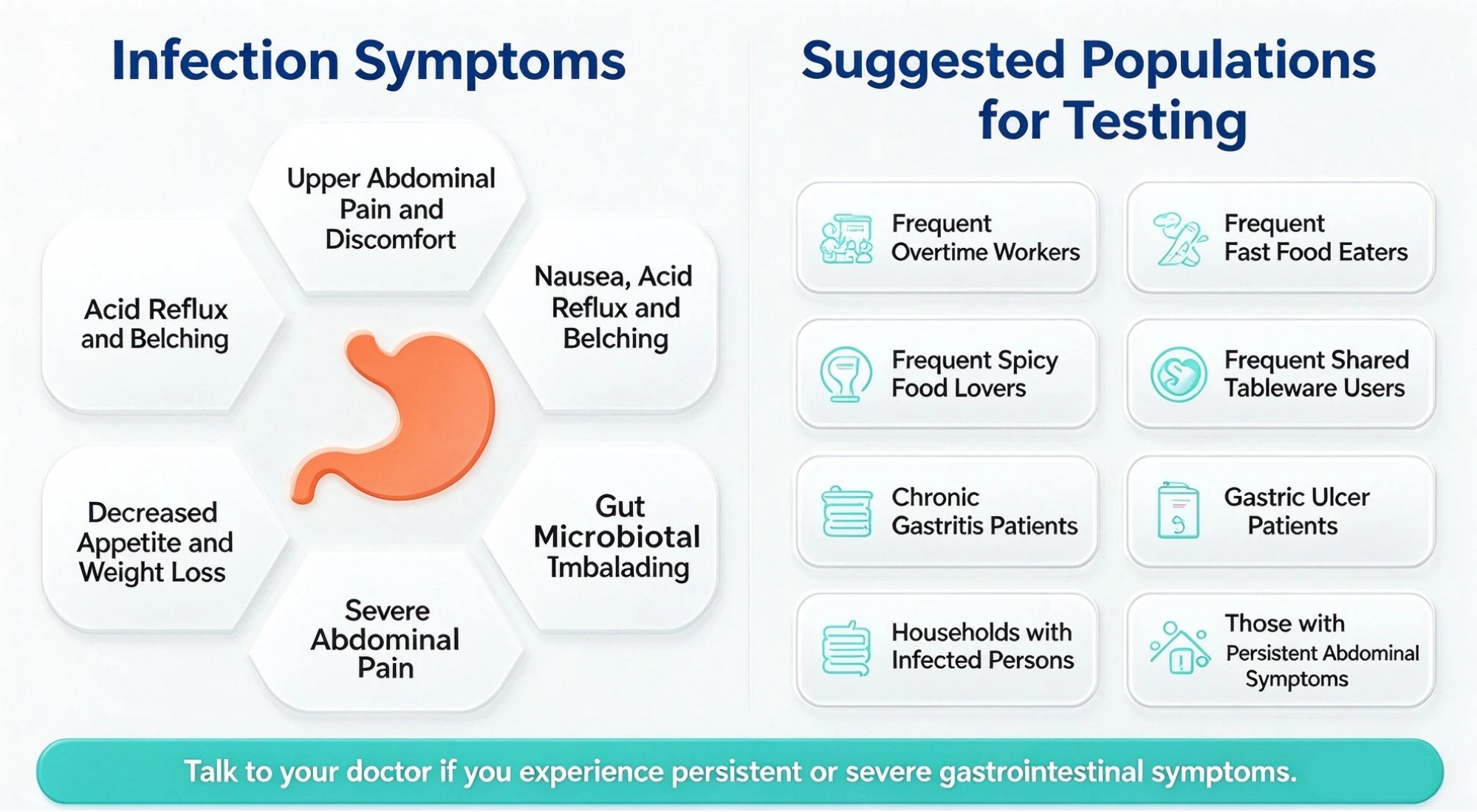
People with persistent stomach discomfort, chronic gastritis or gastric ulcer history, and households with an infected person.