Оптовая продажа экспресс-тестов на антиген H. pylori.
VAYSMA-HpSA01
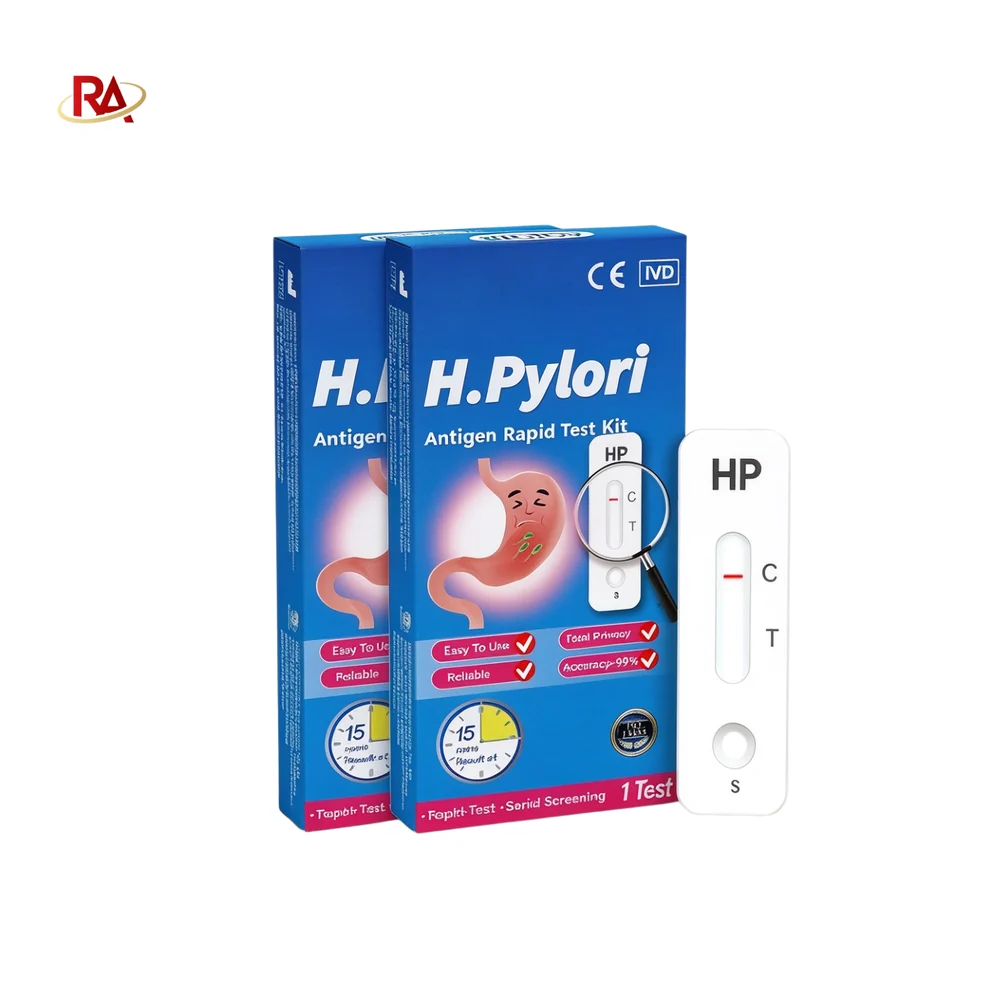
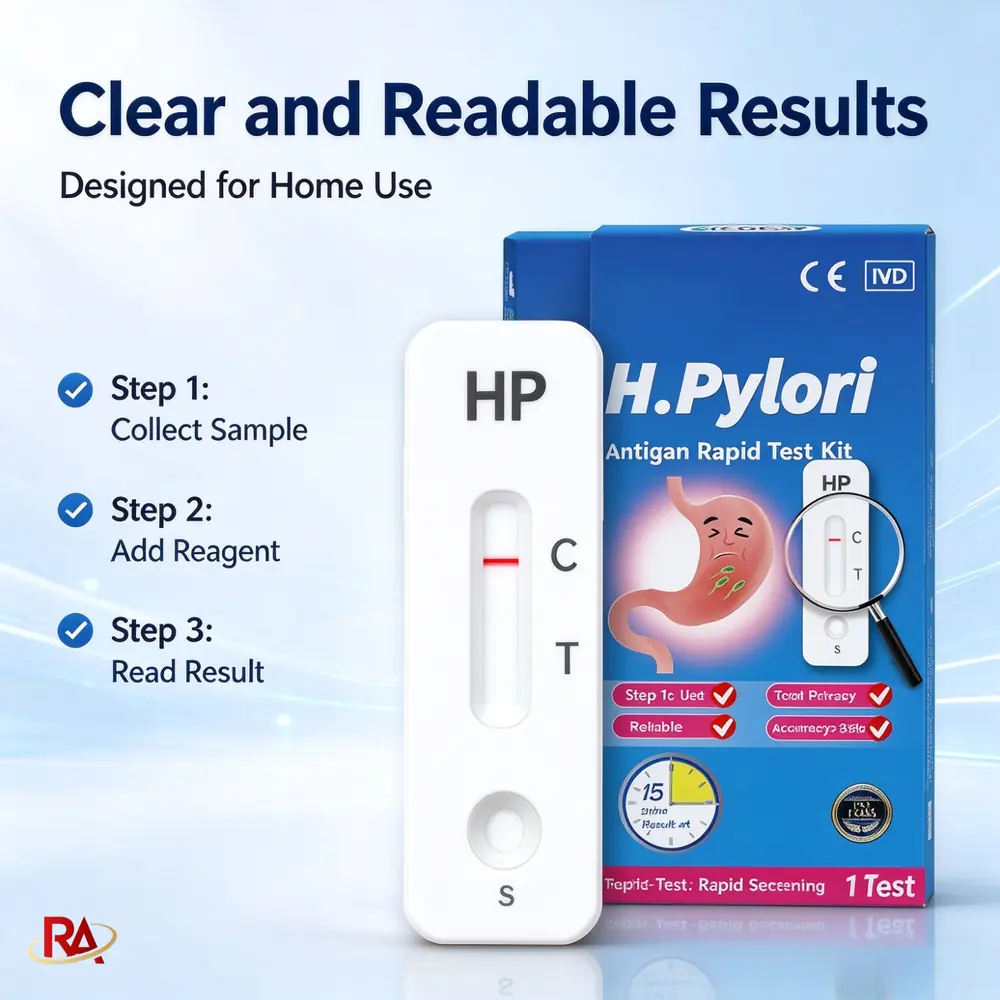
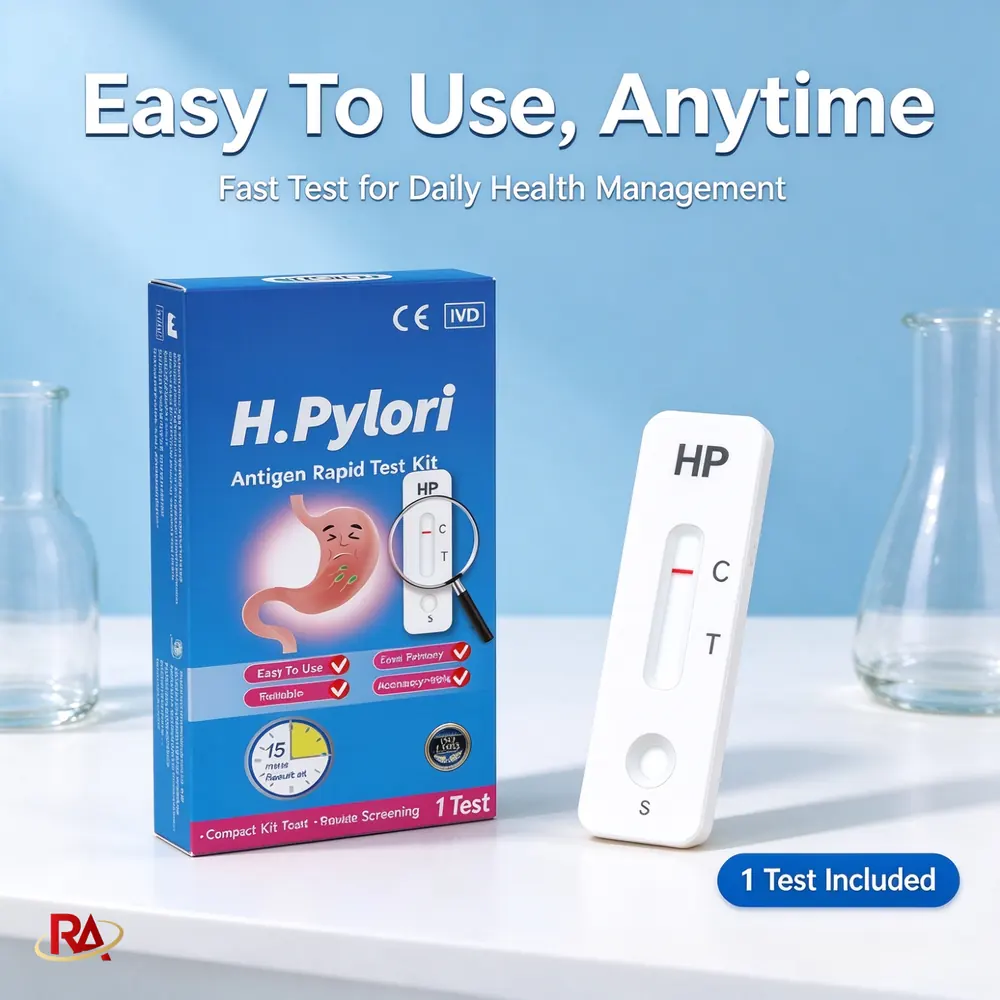
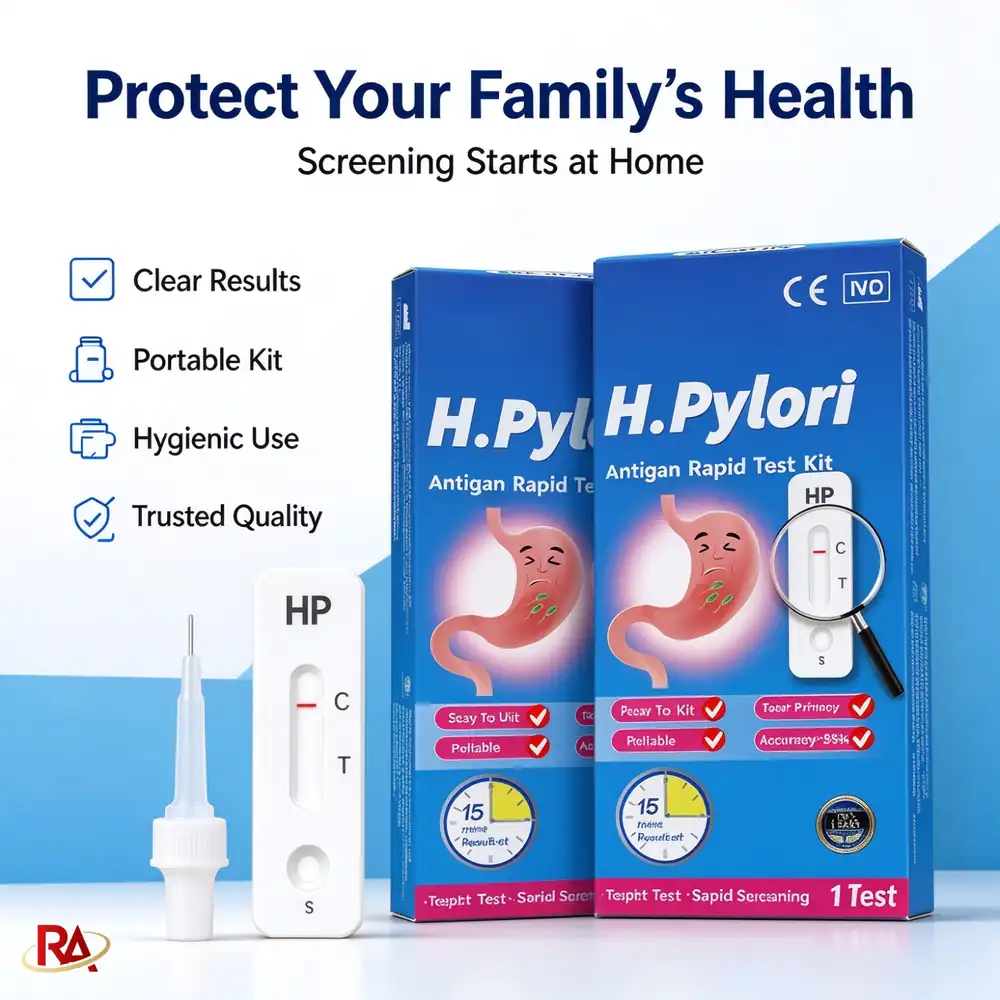
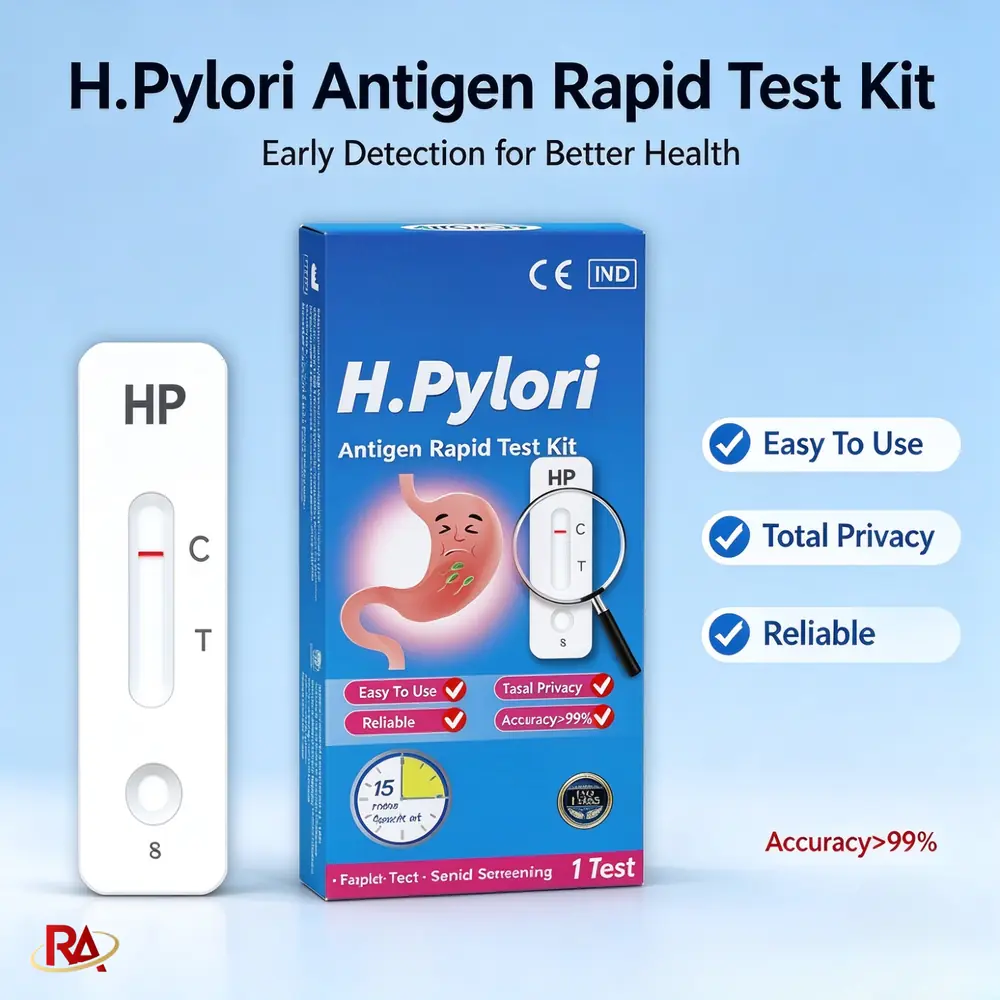
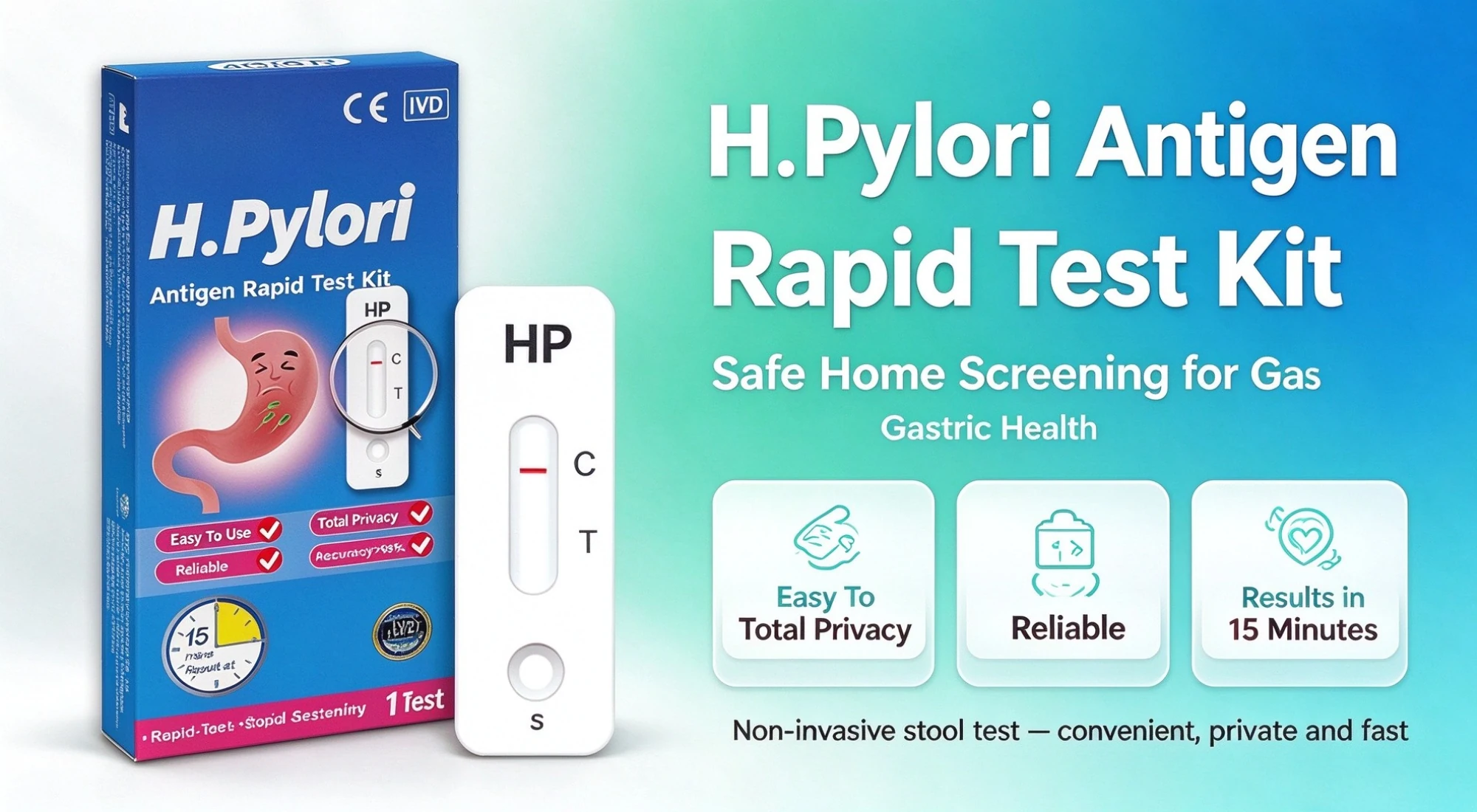
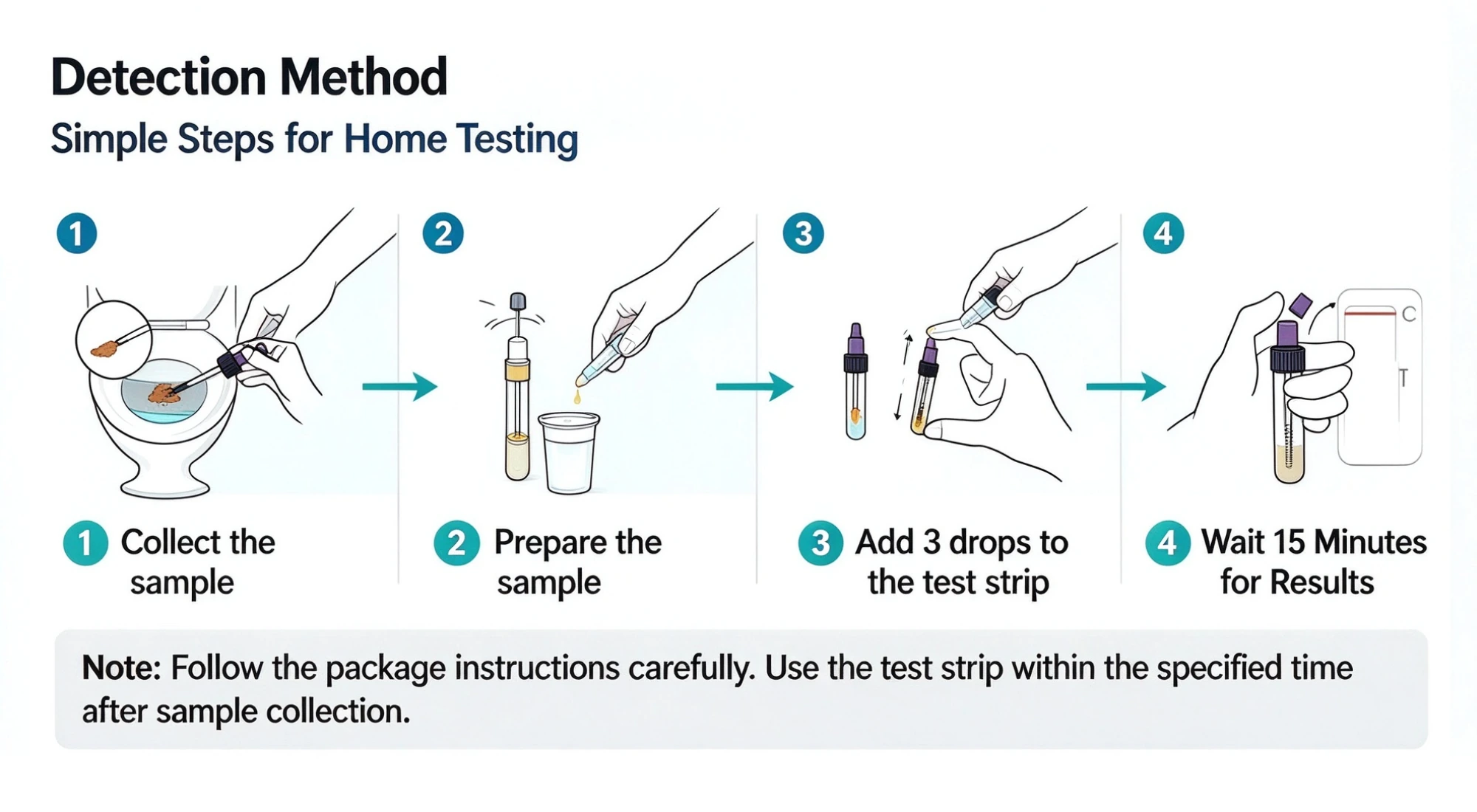
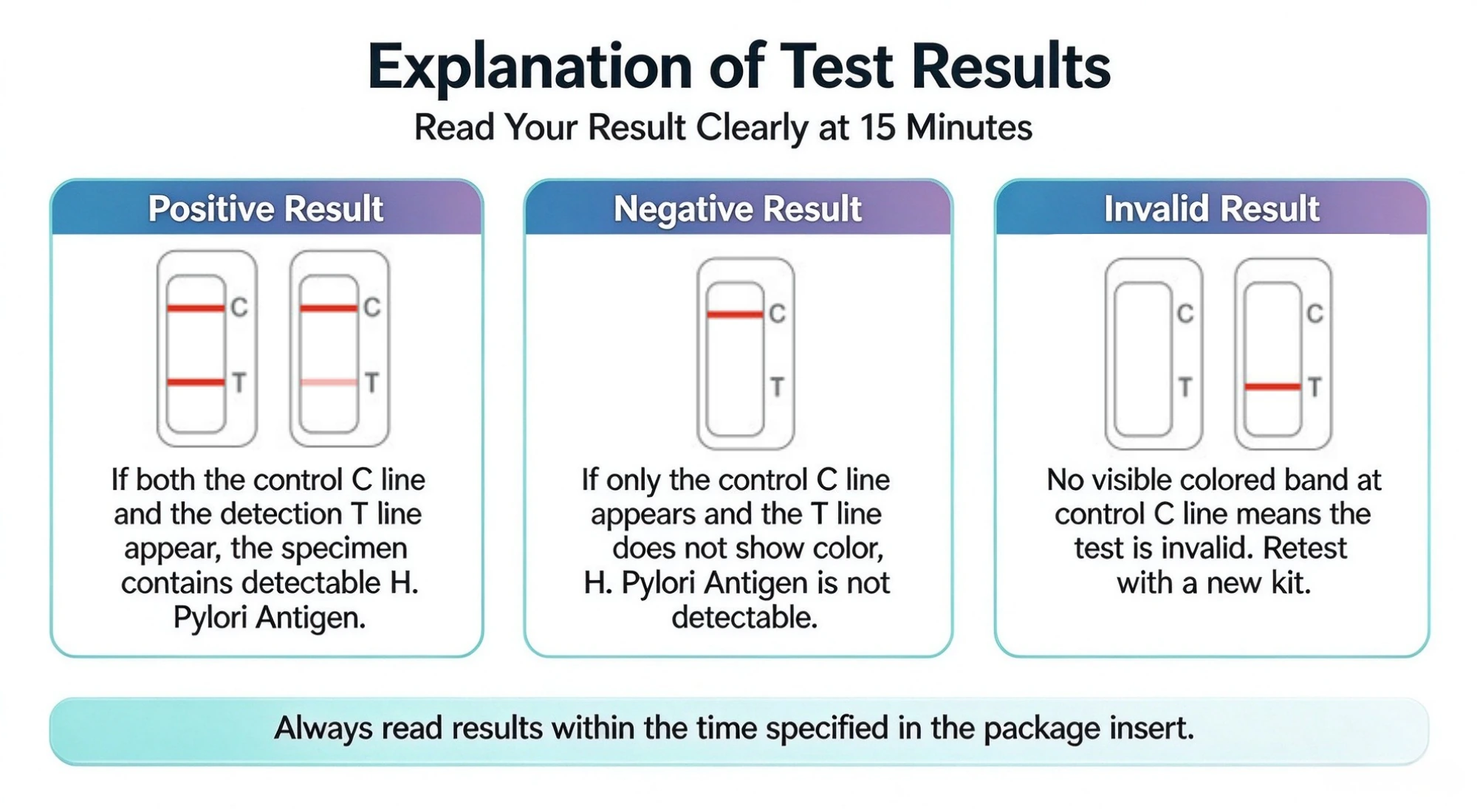
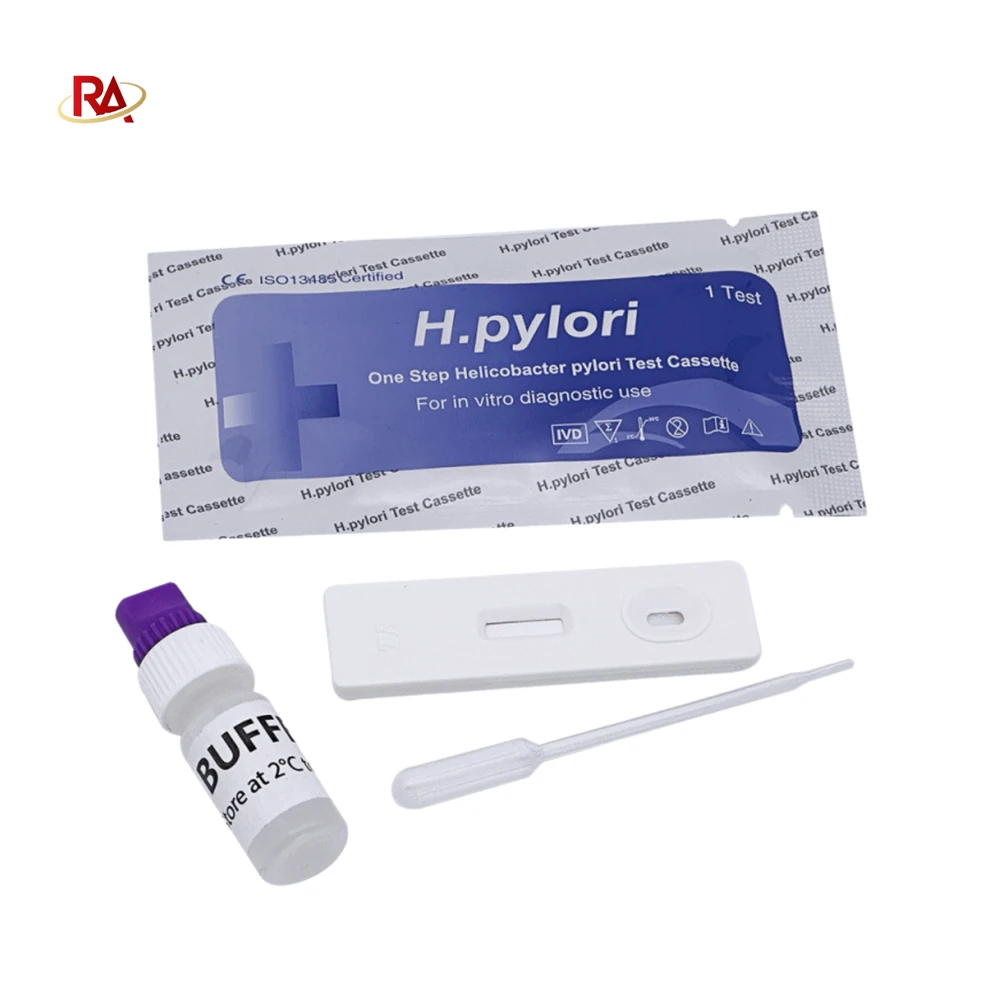
A rapid antigen test kit for H. pylori that uses a stool sample and gives a readable result in about 15 minutes, with no clinic visit needed. The procedure is four simple steps: collect the sample, prepare it, add three drops to the test strip and wait. A control line confirms the test ran correctly, a second line indicates detectable H. pylori antigen, and a missing control line means the test should be repeated with a new kit.
The H. pylori Antigen Rapid Test Kit is designed for rehabilitation training. It is supplied for clinics, rehabilitation centres, nursing homes and home programmes, with OEM and ODM options for distributors and private-label buyers.
Сценарии применения
Качество и соответствие стандартам
Производится в соответствии с документированной системой управления качеством; протоколы испытаний и документы, подтверждающие соответствие стандартам, предоставляются по запросу. Для крупных заказов возможно нанесение фирменной символики, оформление упаковки и этикеток.
Хранение и упаковка
Каждая единица товара упакована индивидуально в экспортную картонную коробку с защитной оберткой. Хранить в сухом, хорошо проветриваемом месте, вдали от прямых солнечных лучей. Количество коробок и поддонов для оптовых заказов можно уточнить у нашего отдела продаж.
Часто задаваемые вопросы:
1
What is the model number of this test kit?
This model is VAYSMA-HpSA01, an H. pylori antigen rapid test kit from VAYSMA.
2
What sample does it use?
A stool sample, so the test is non-invasive and can be done at home.
3
How long does it take to read?
About 15 minutes after adding three drops of prepared sample to the test strip.
4
How do I read the result?
Two lines (C and T) indicate detectable antigen, a single C line indicates none, and no C line means the test is invalid.
5
What if the control line does not appear?
The test is invalid; repeat it with a new kit and follow the package insert.
6
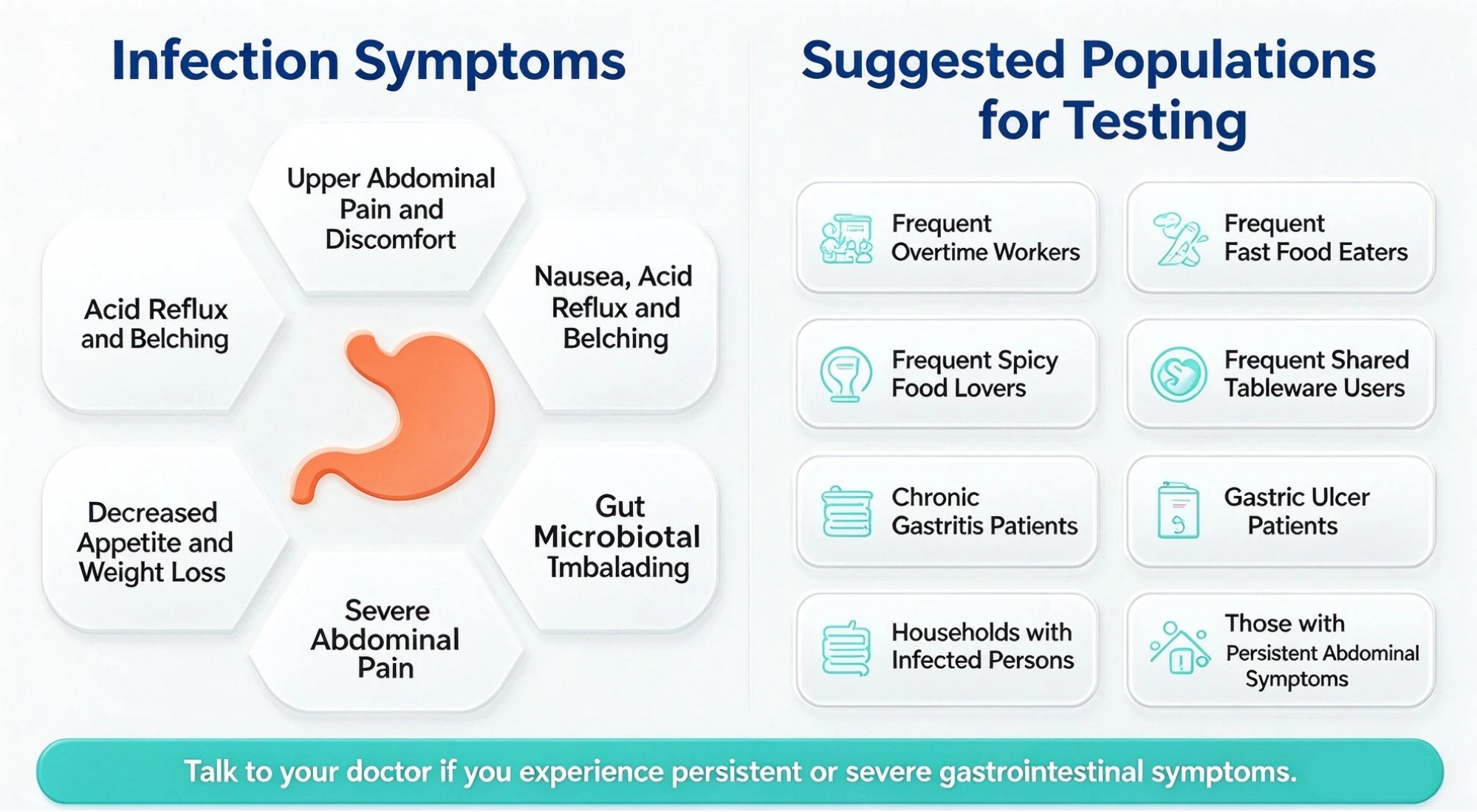
Who should use it?
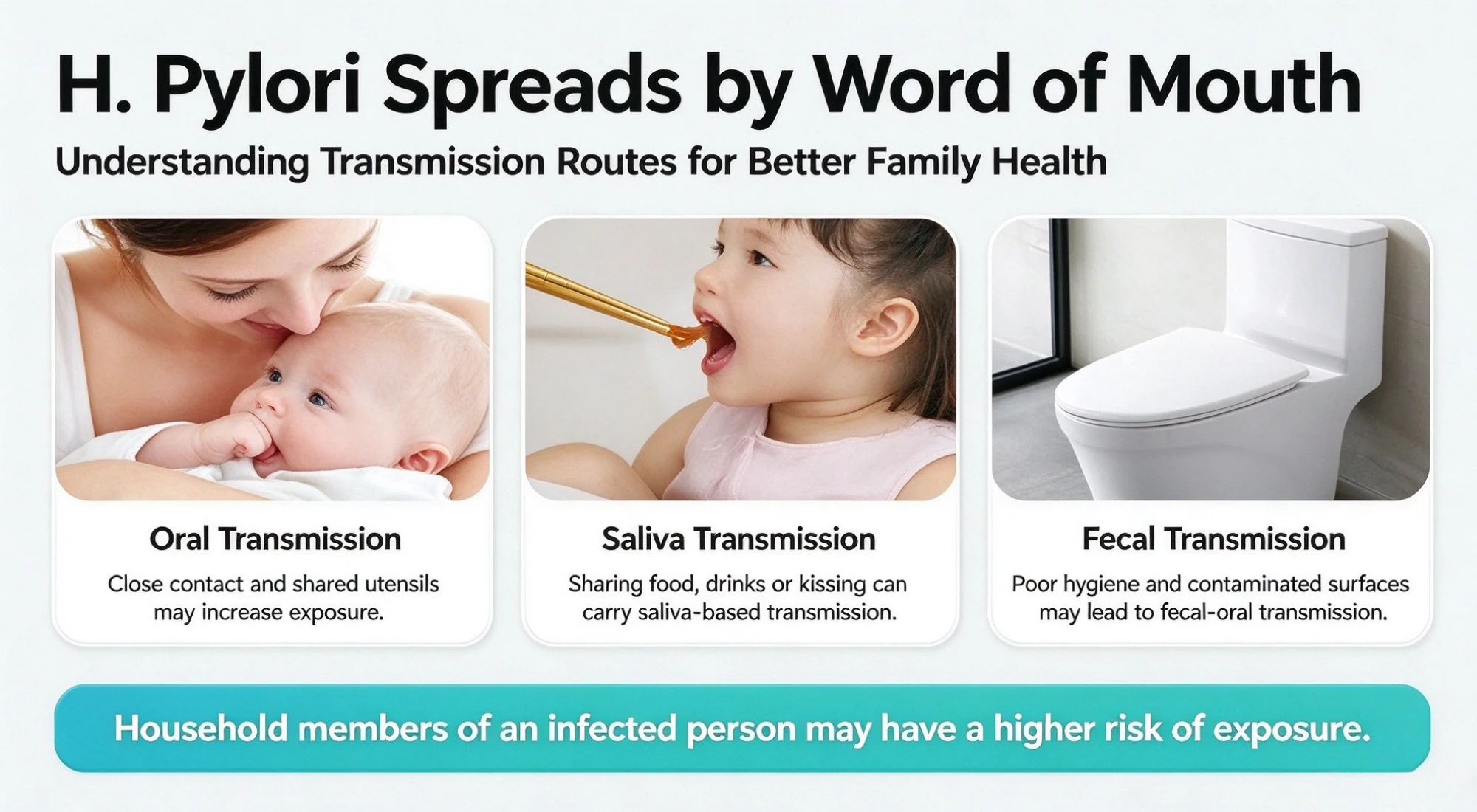
People with persistent stomach discomfort, chronic gastritis or gastric ulcer history, and households with an infected person.